
Ural and Zambian emeralds
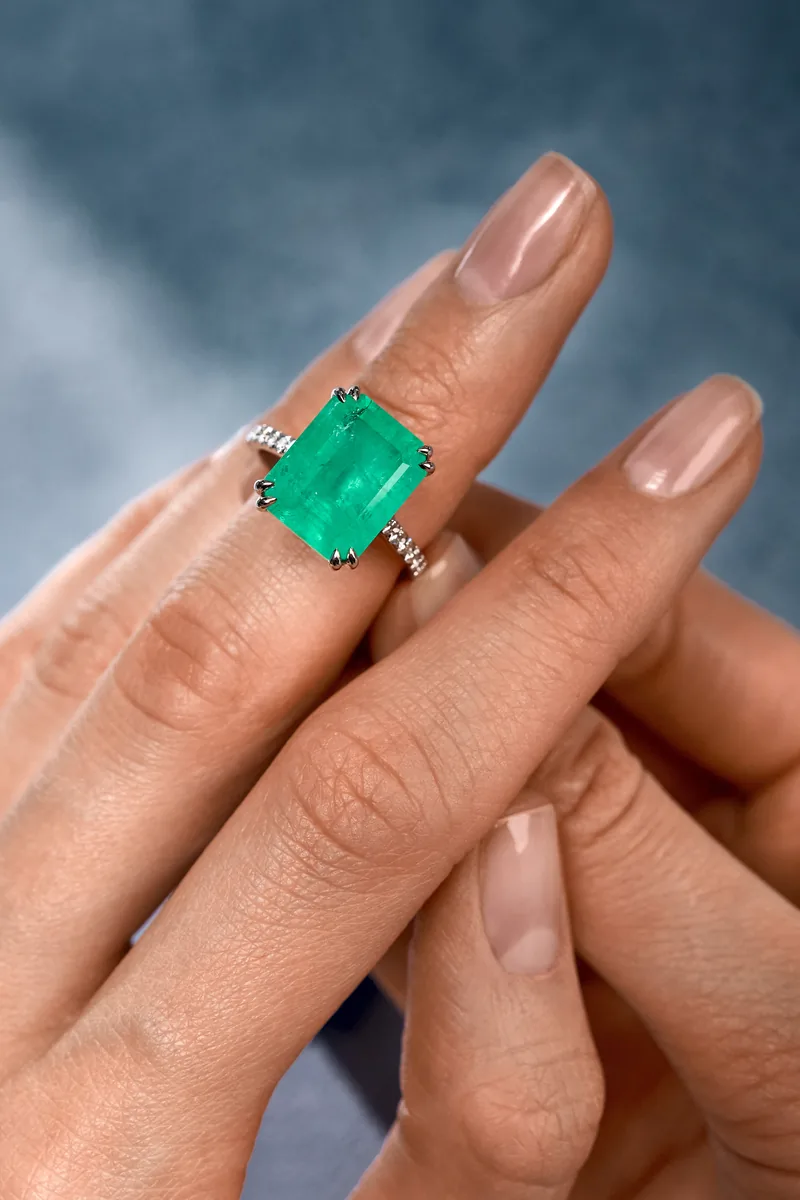
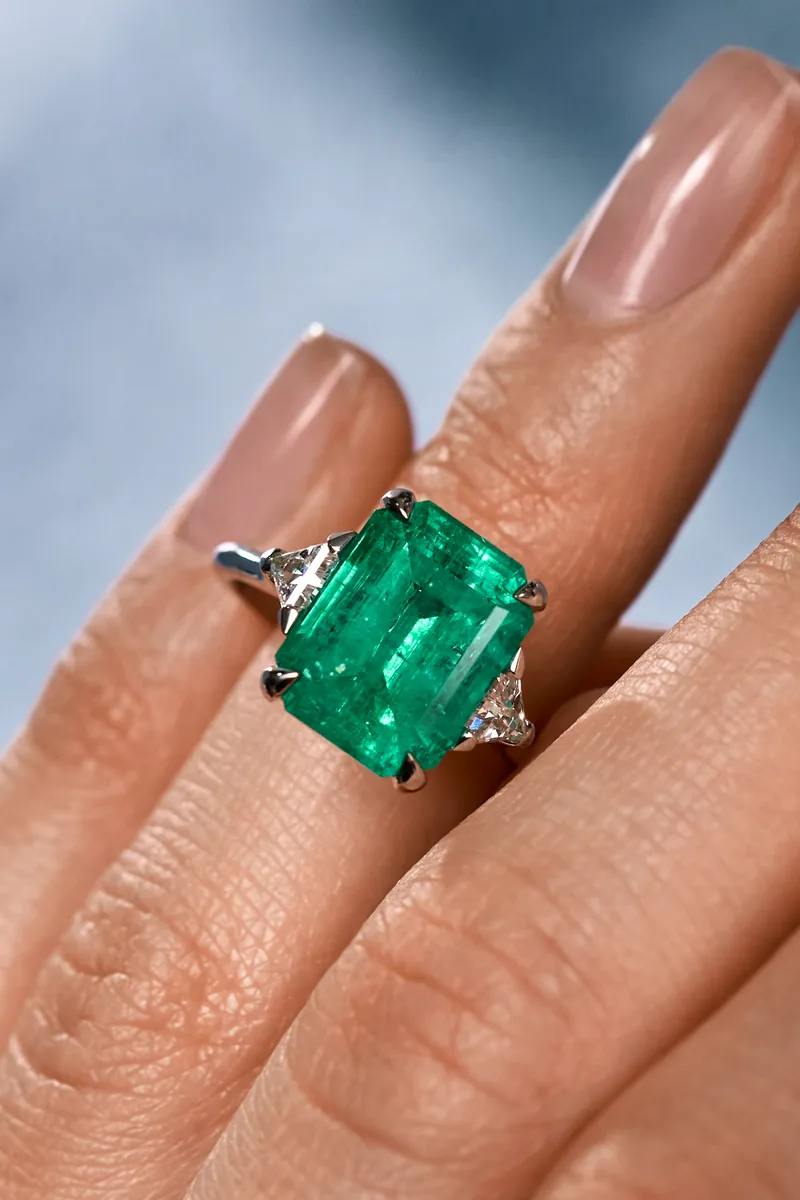
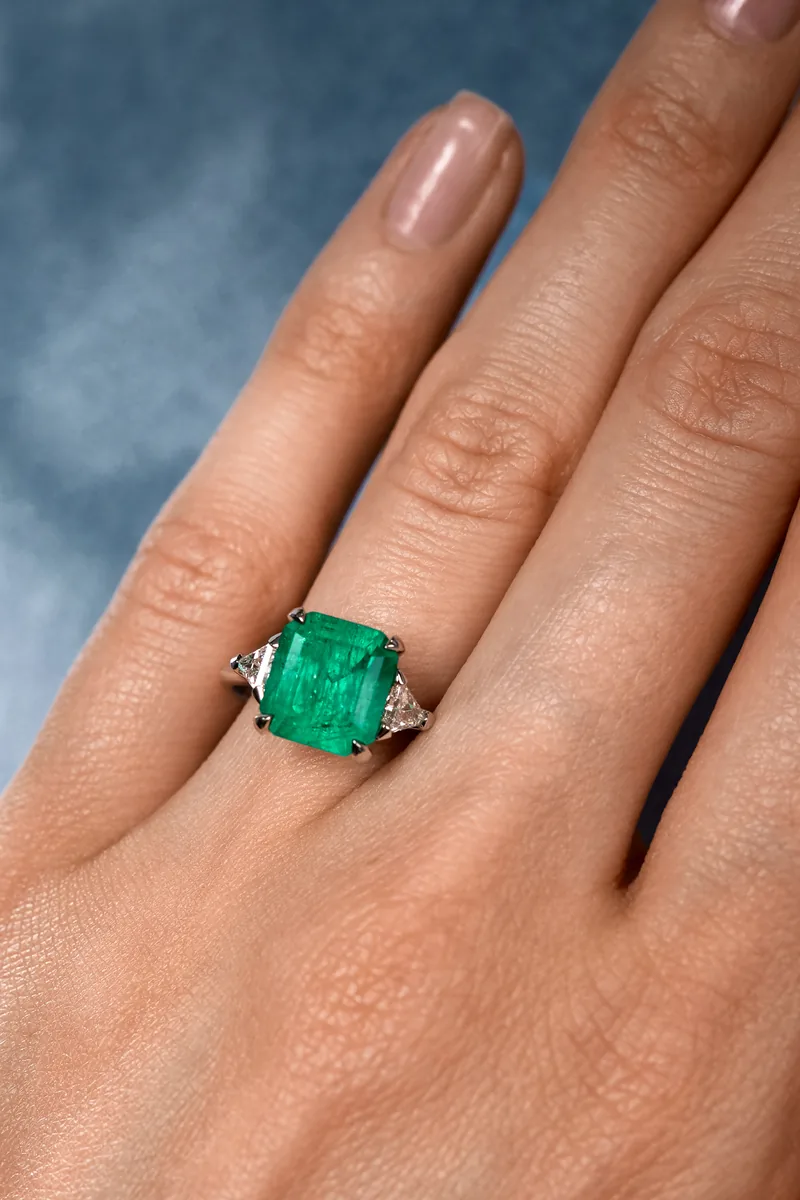
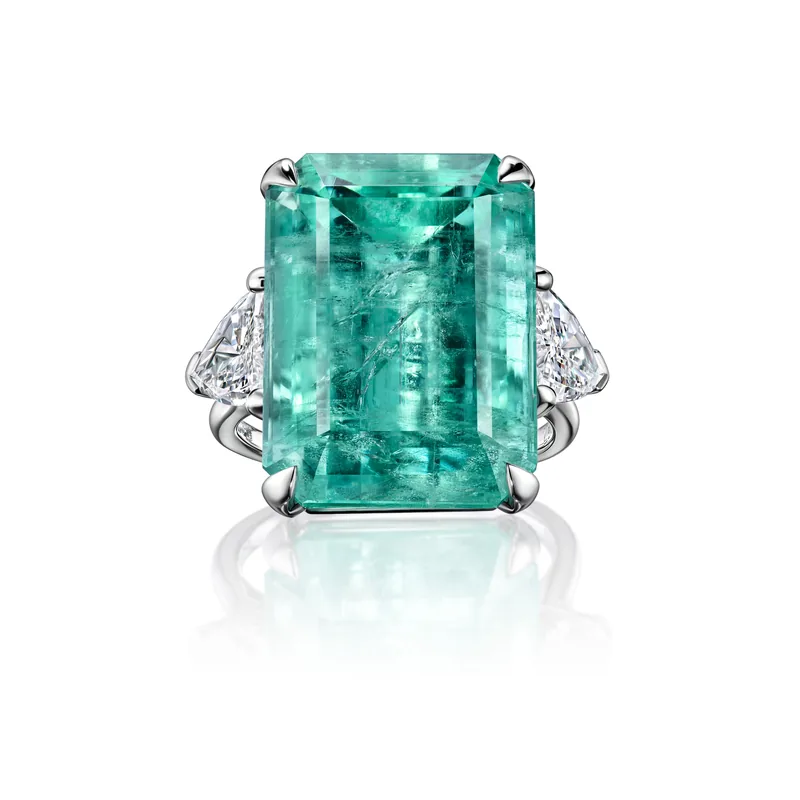
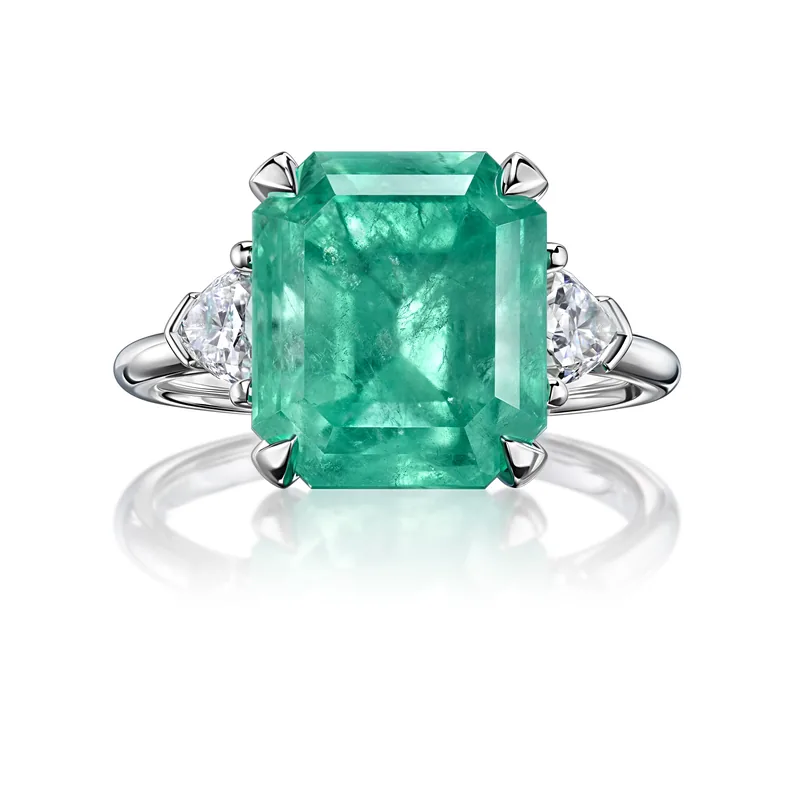
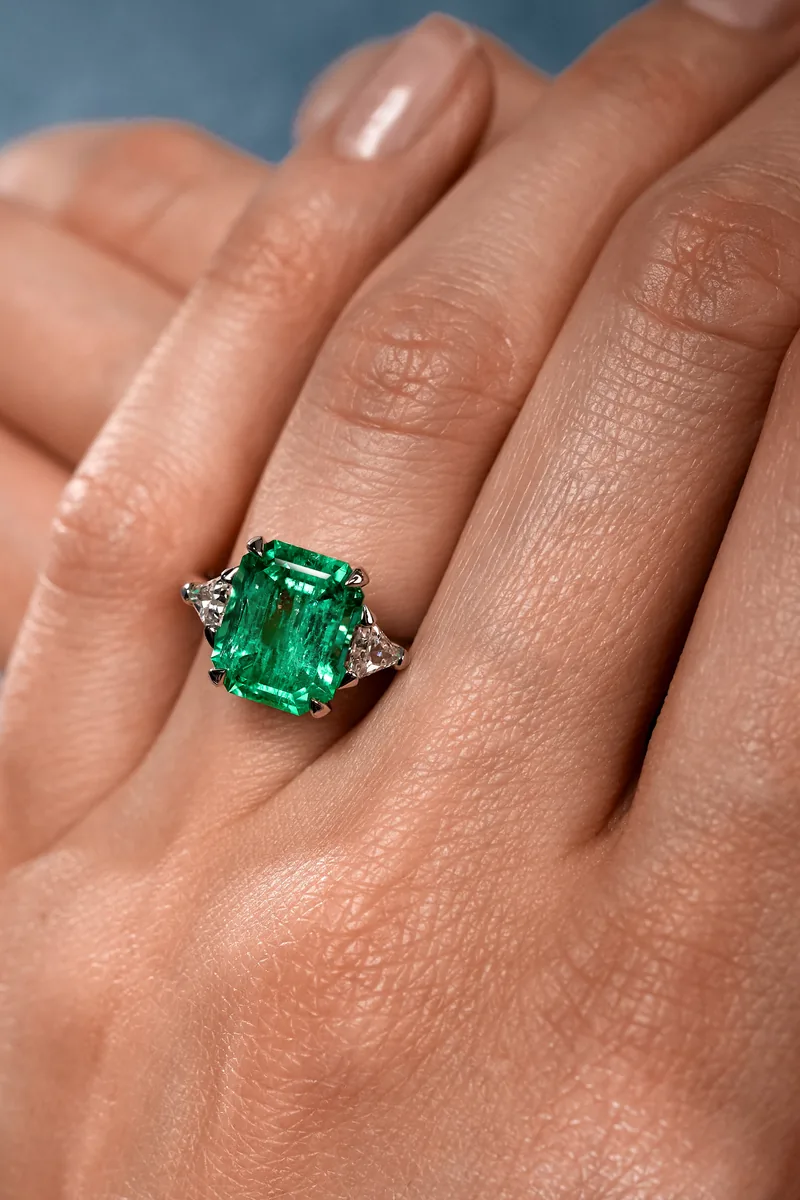
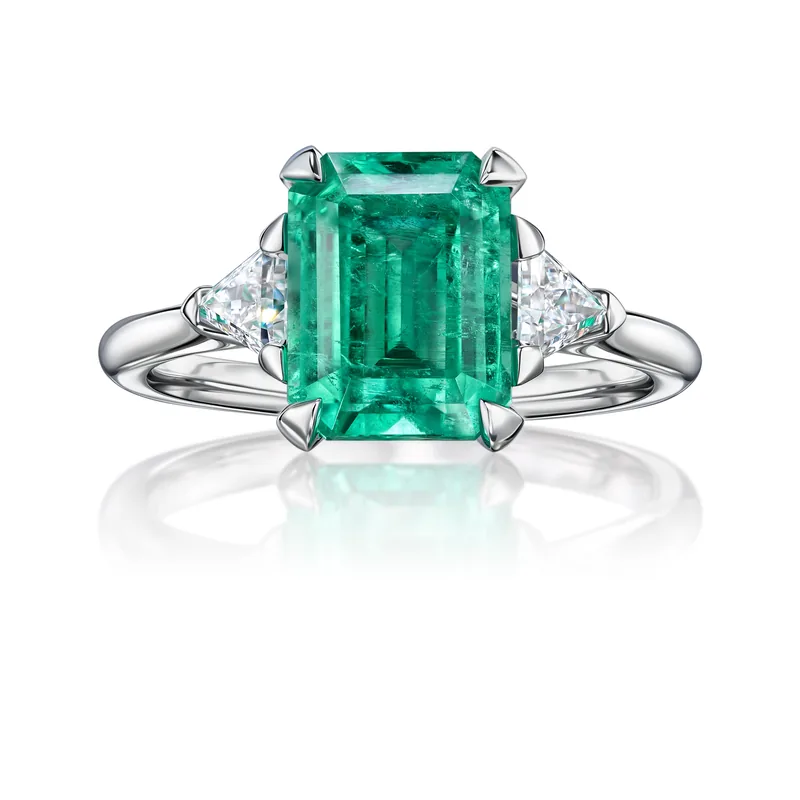
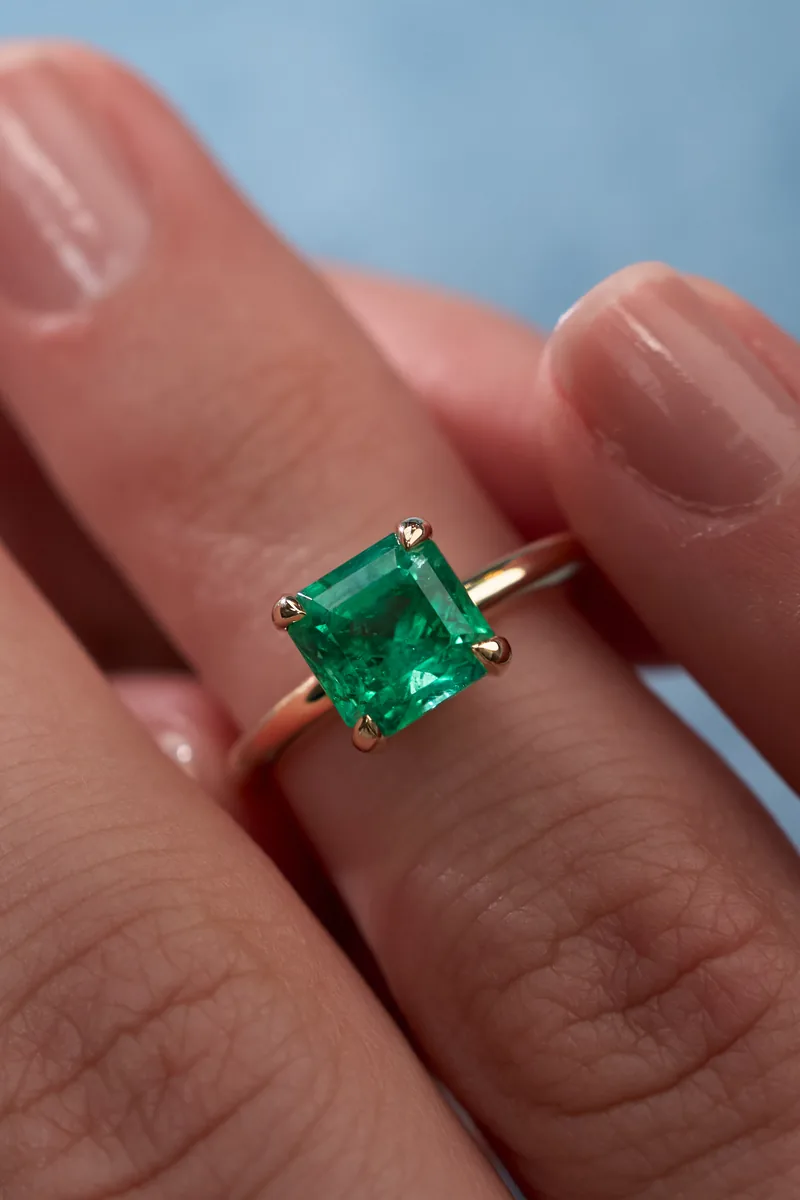
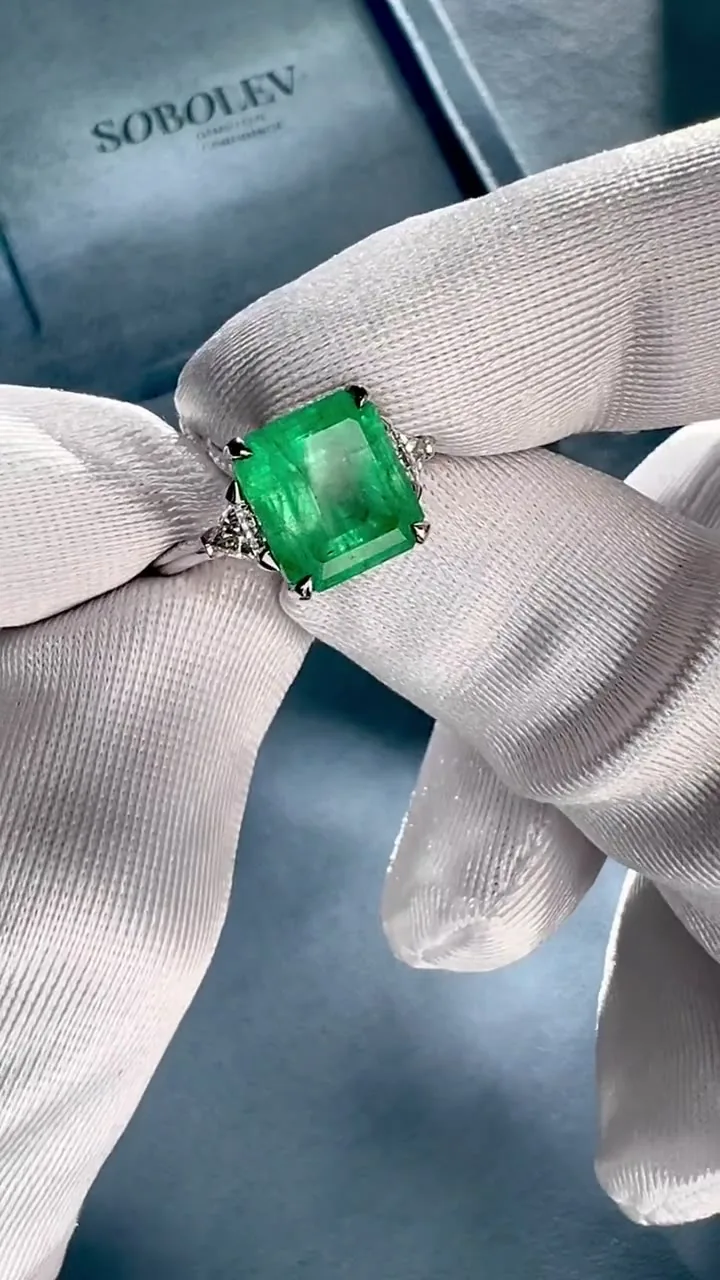
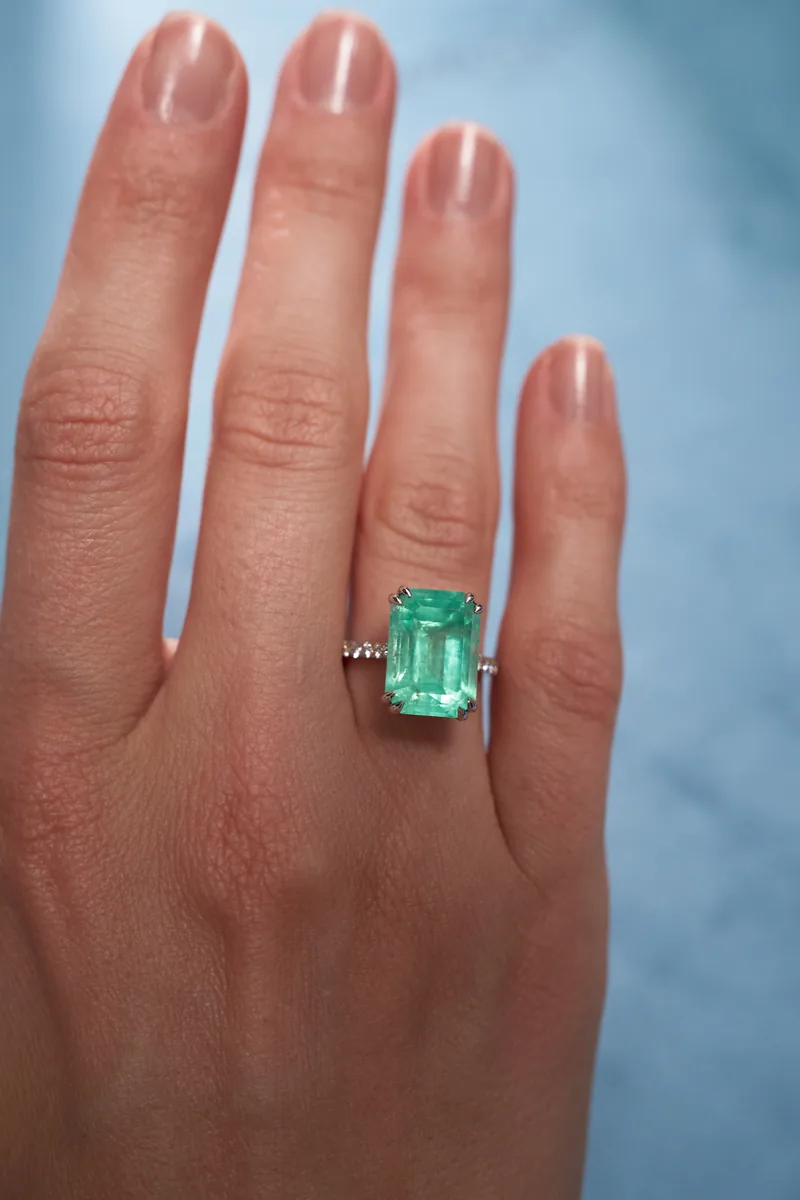
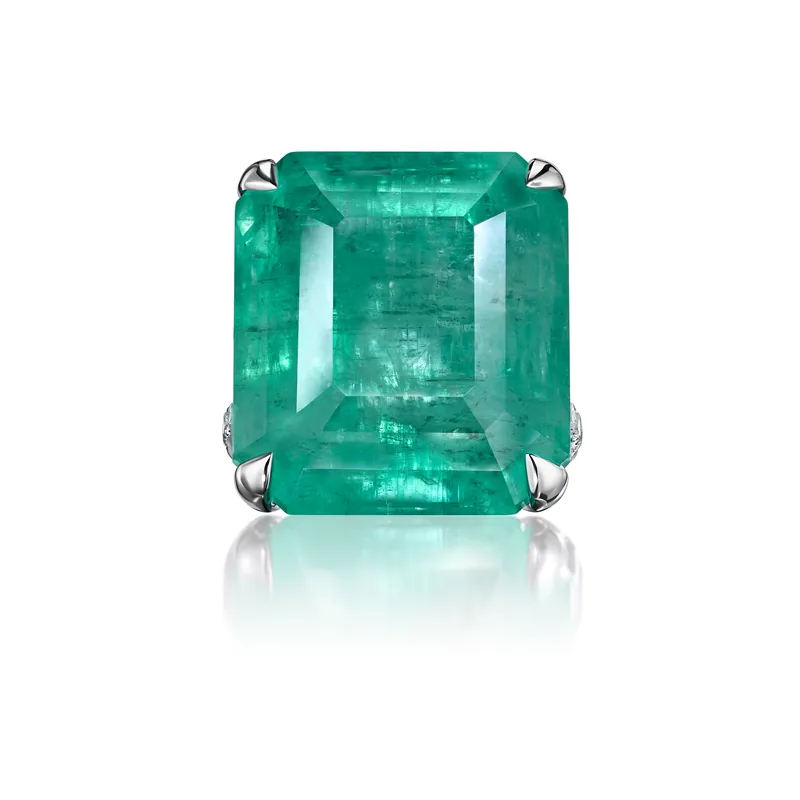
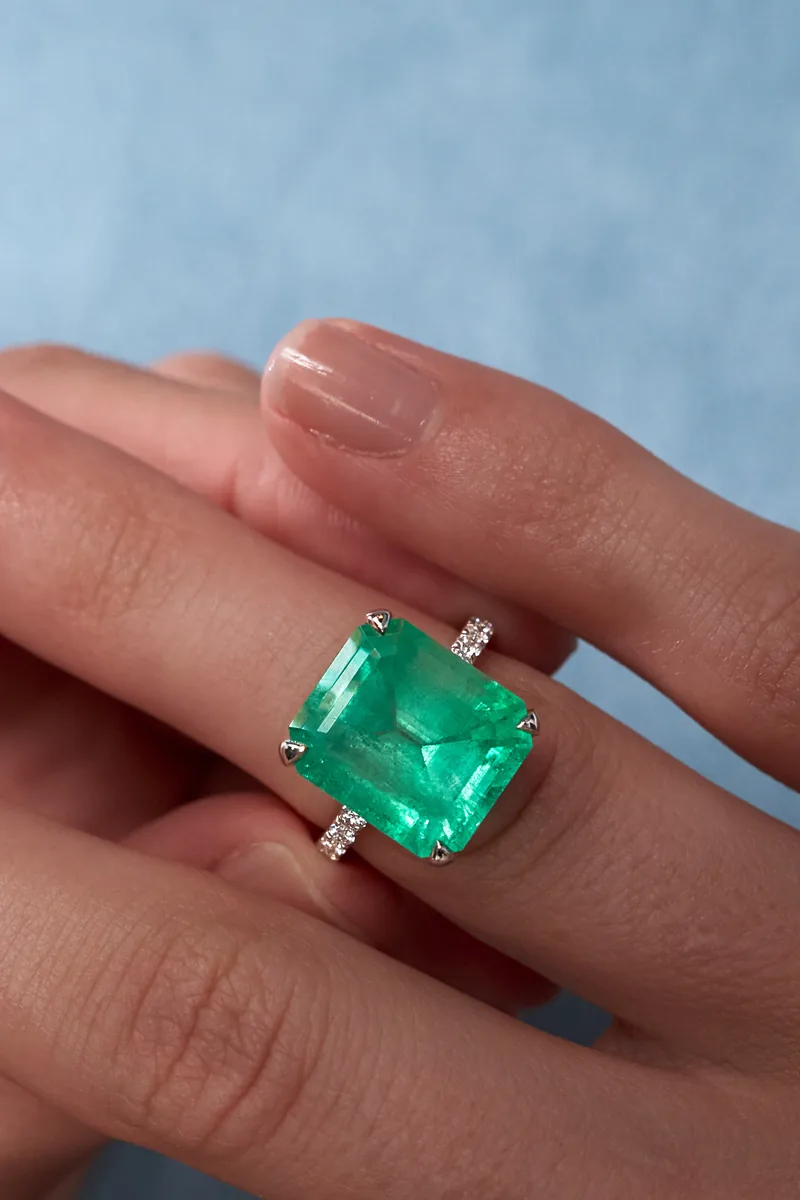
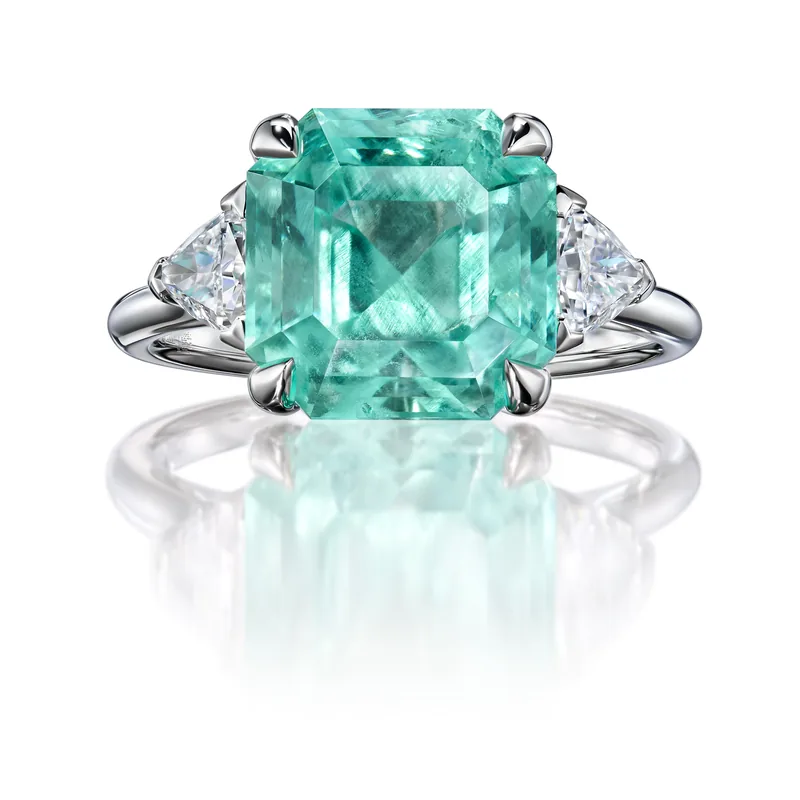
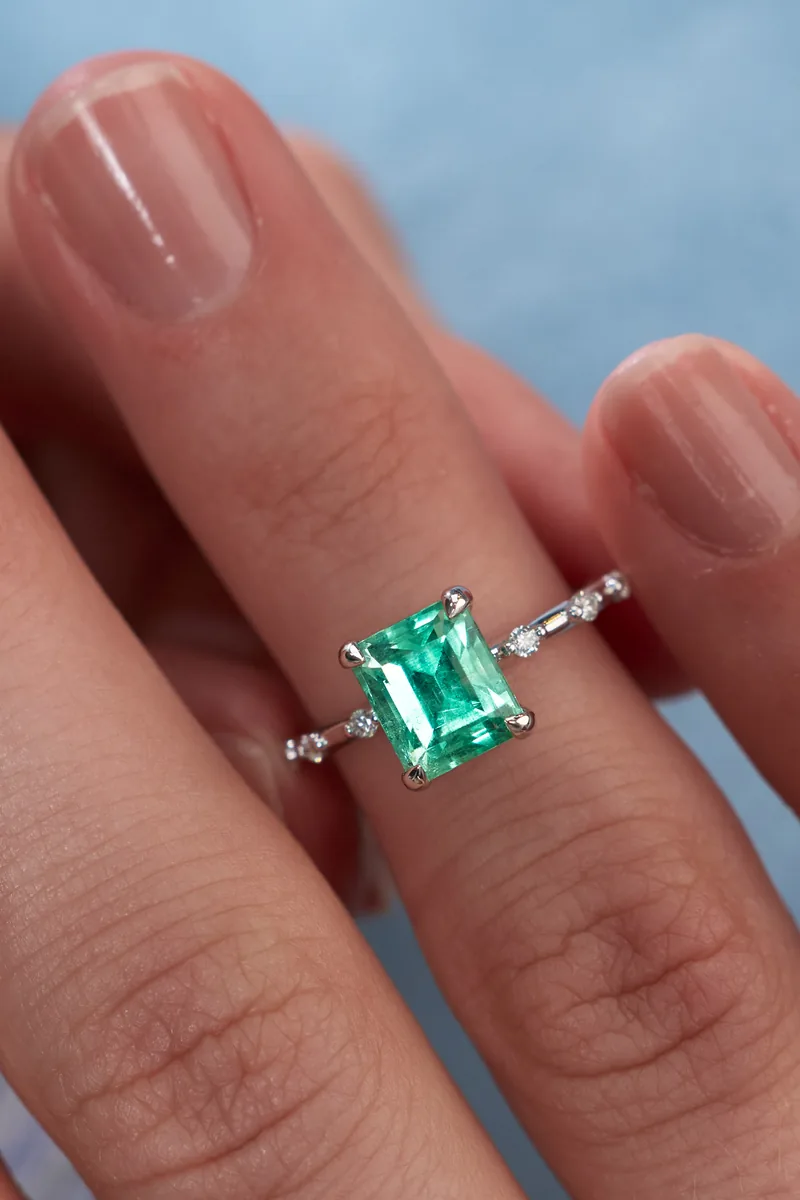
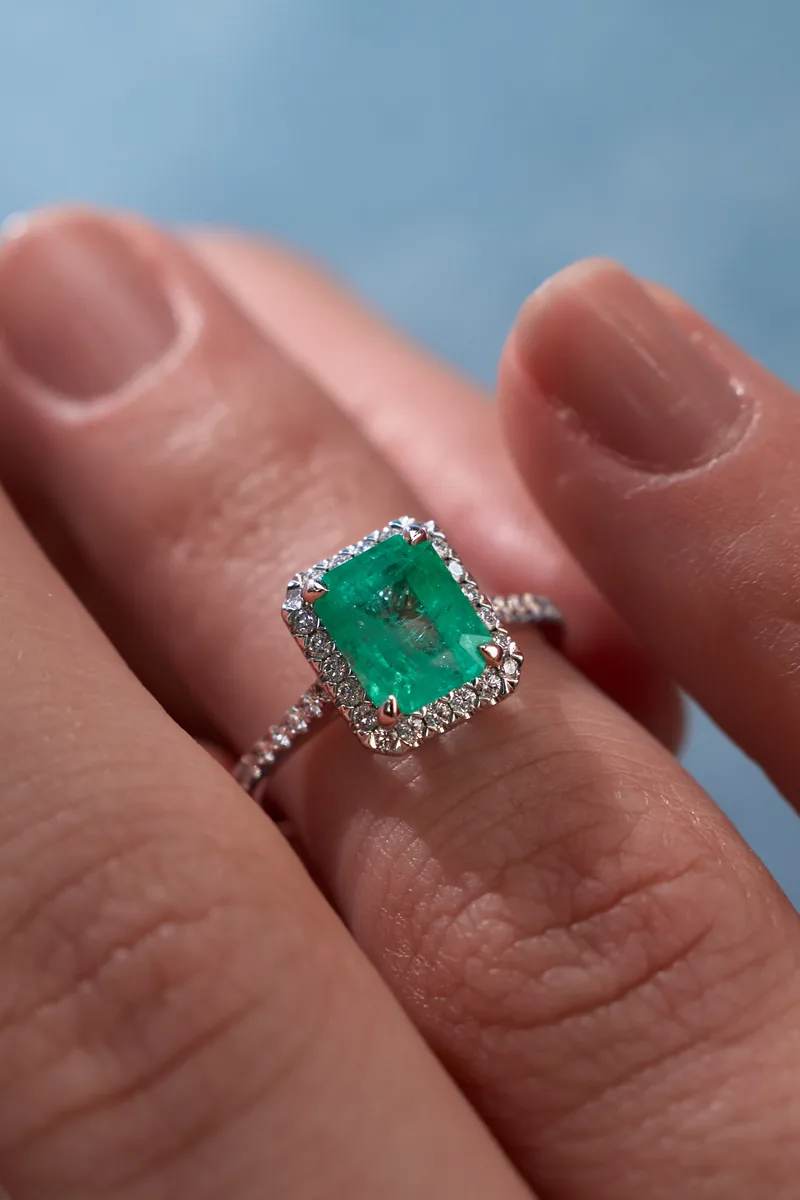
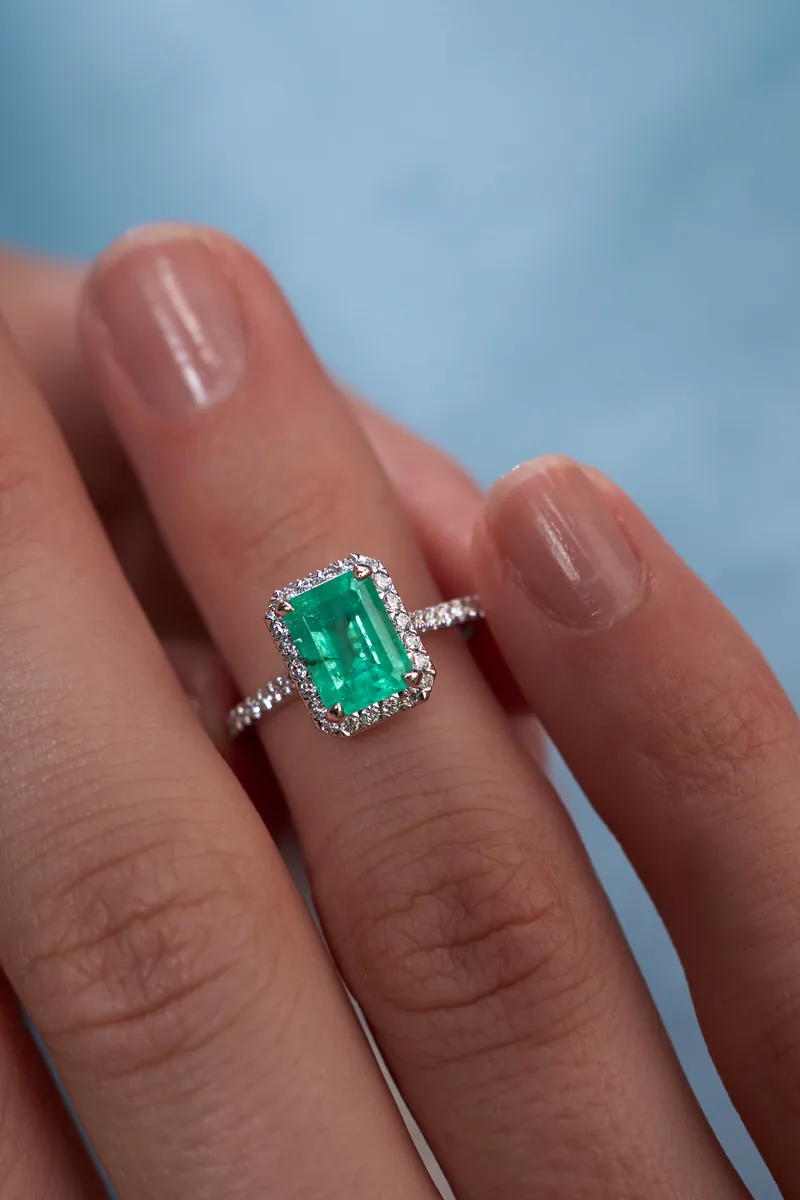
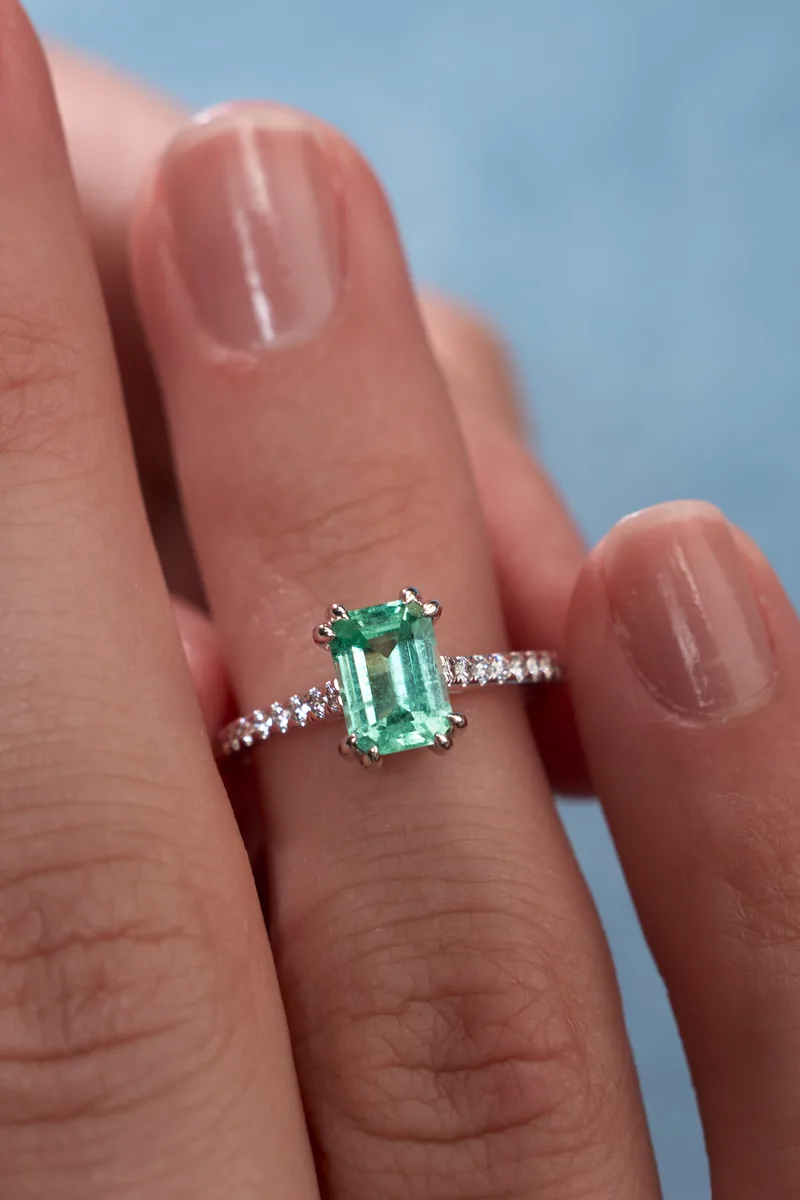
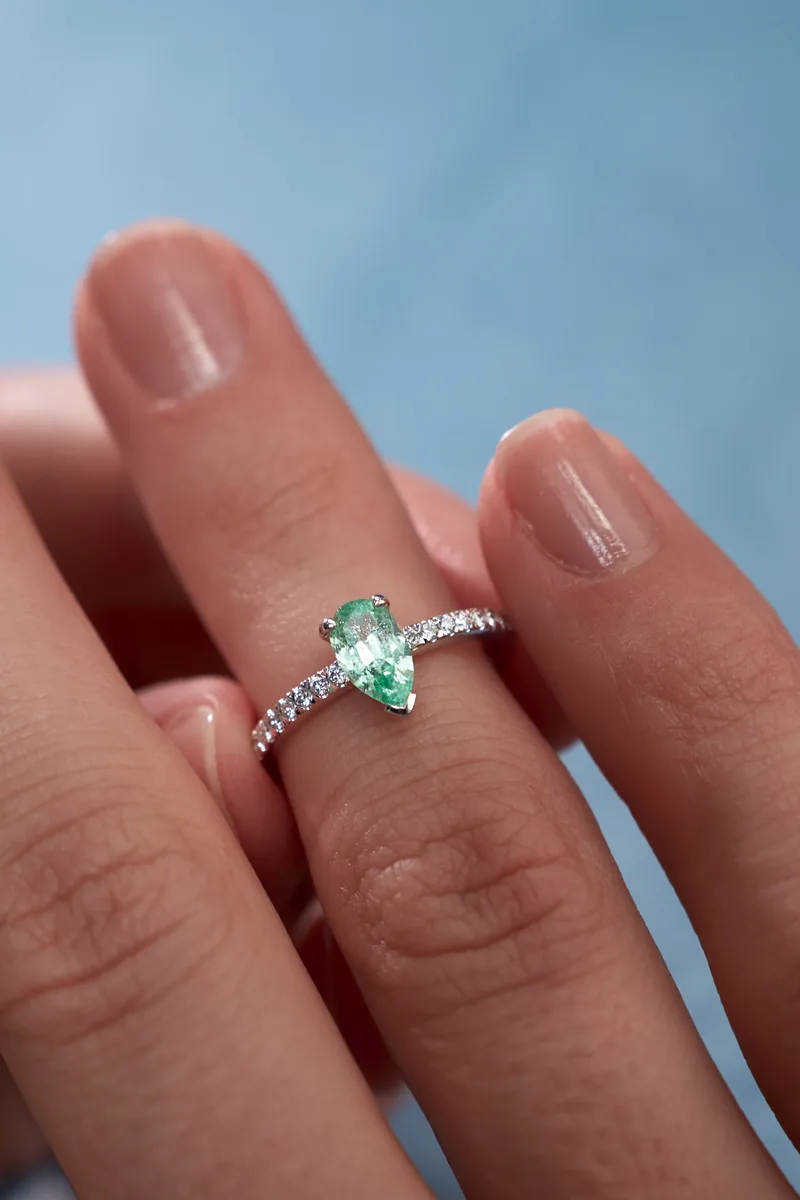
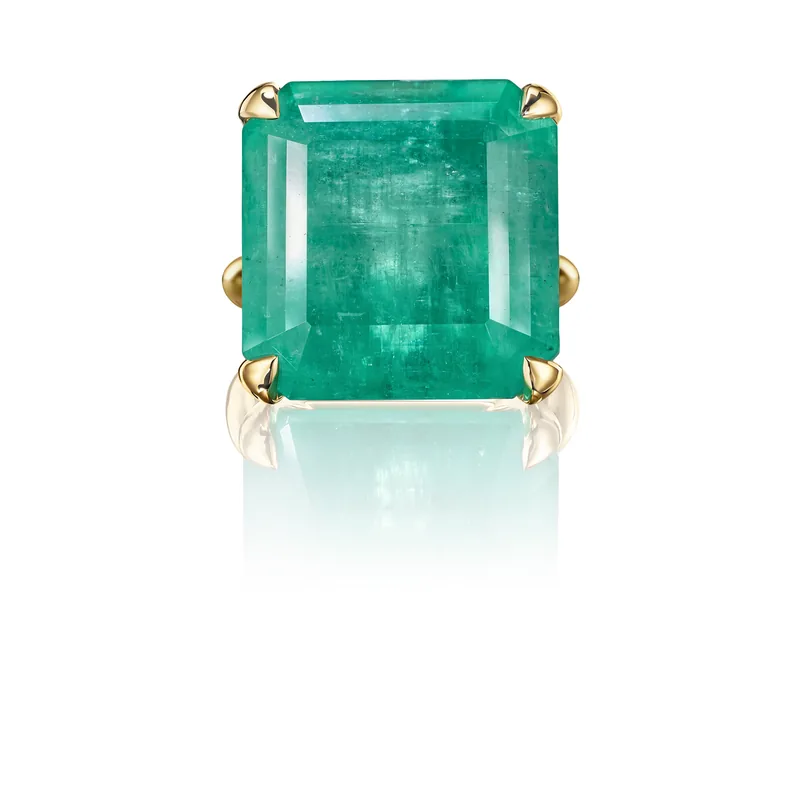
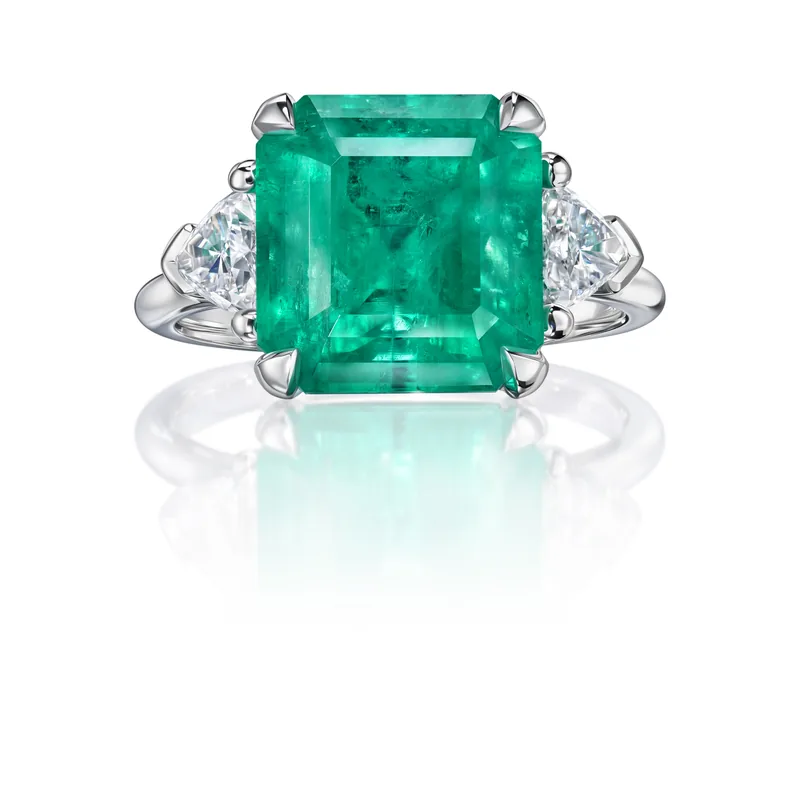
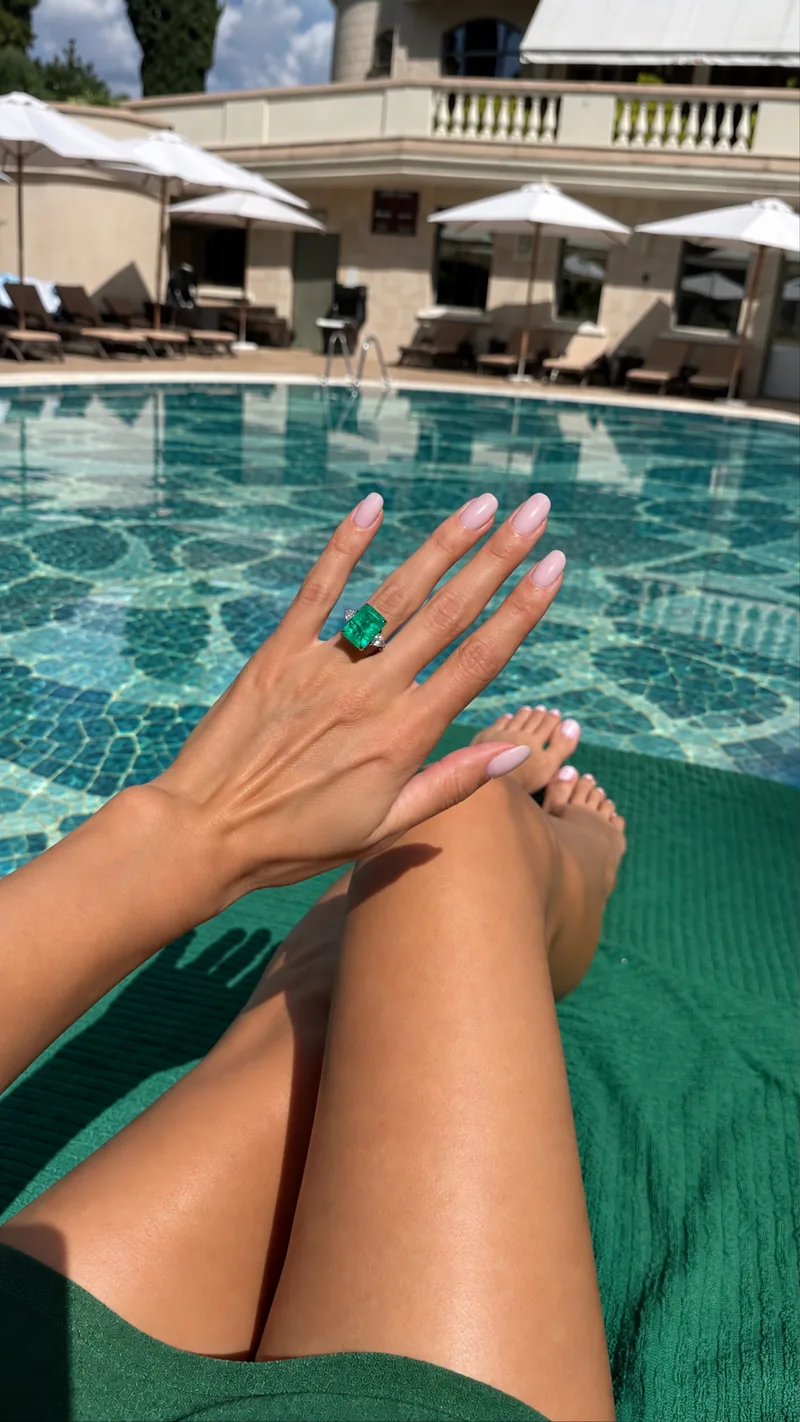
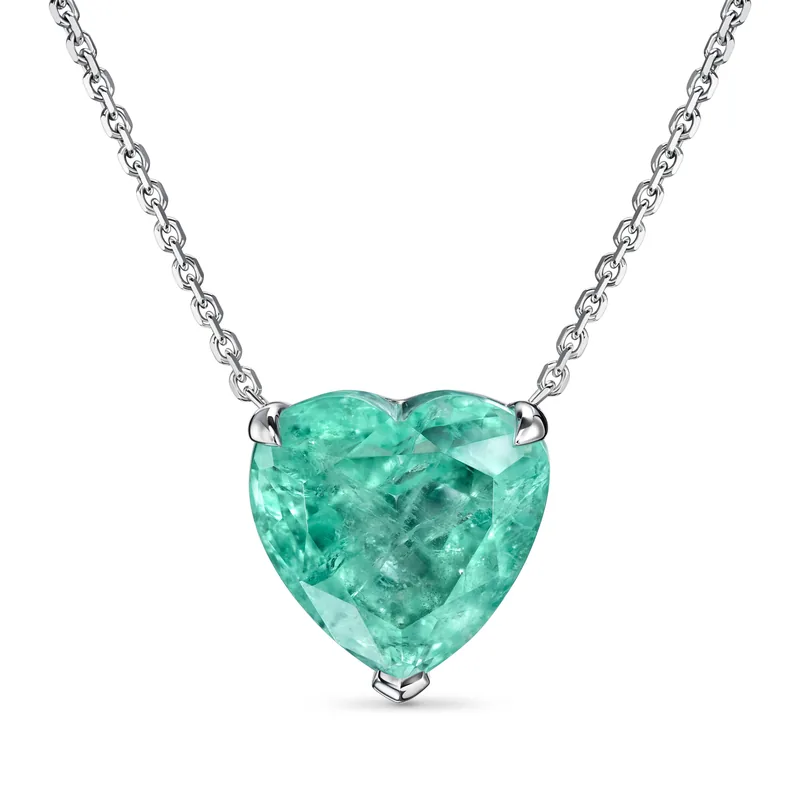
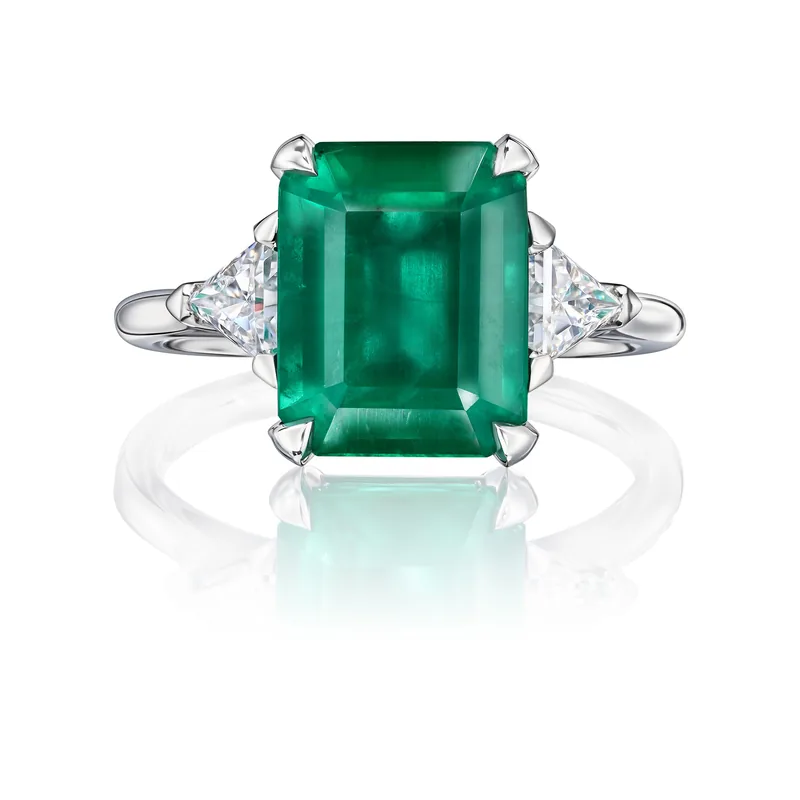
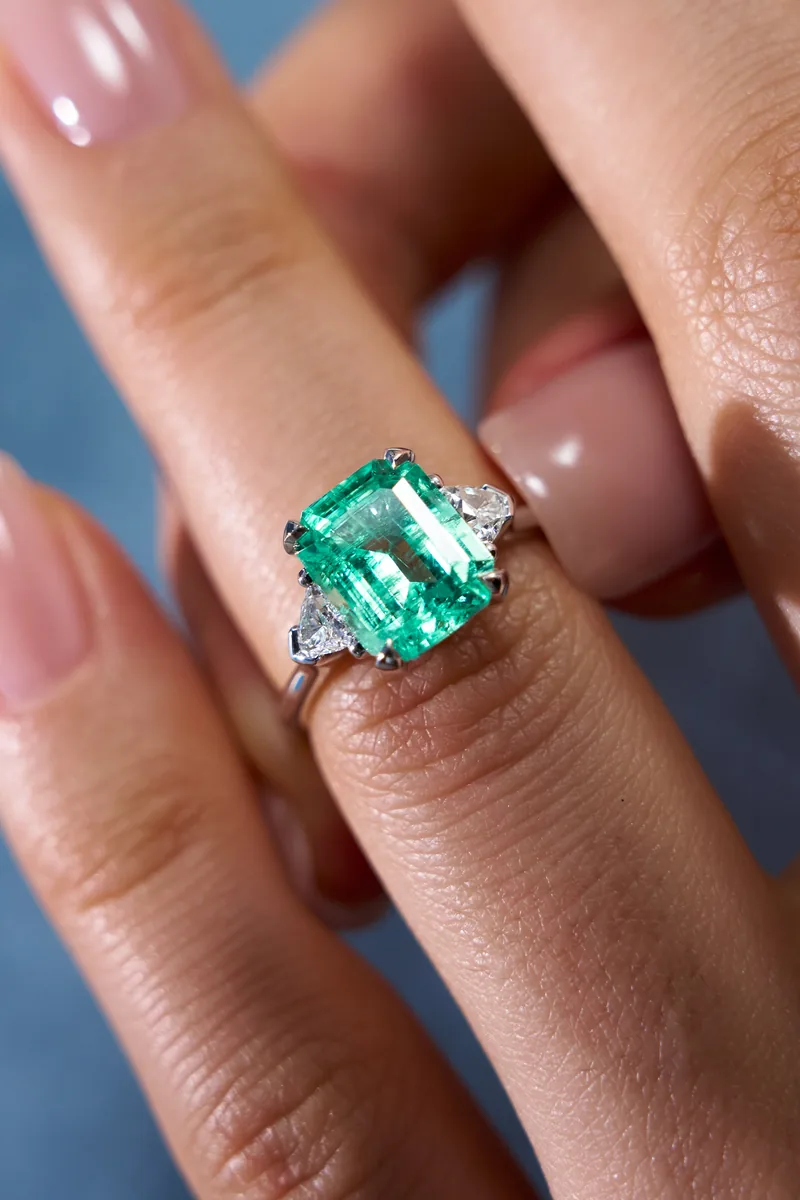
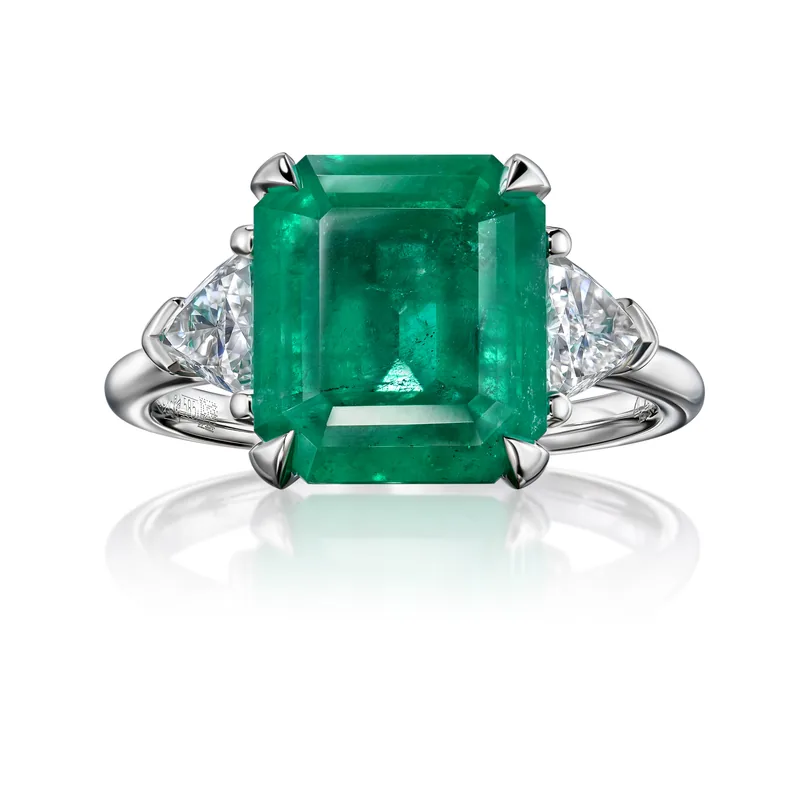
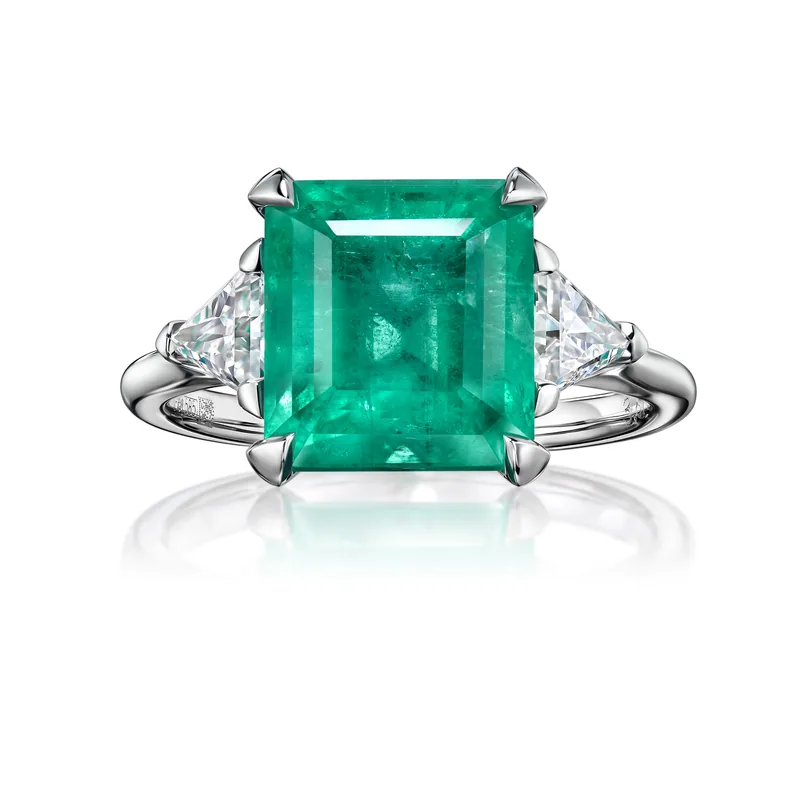
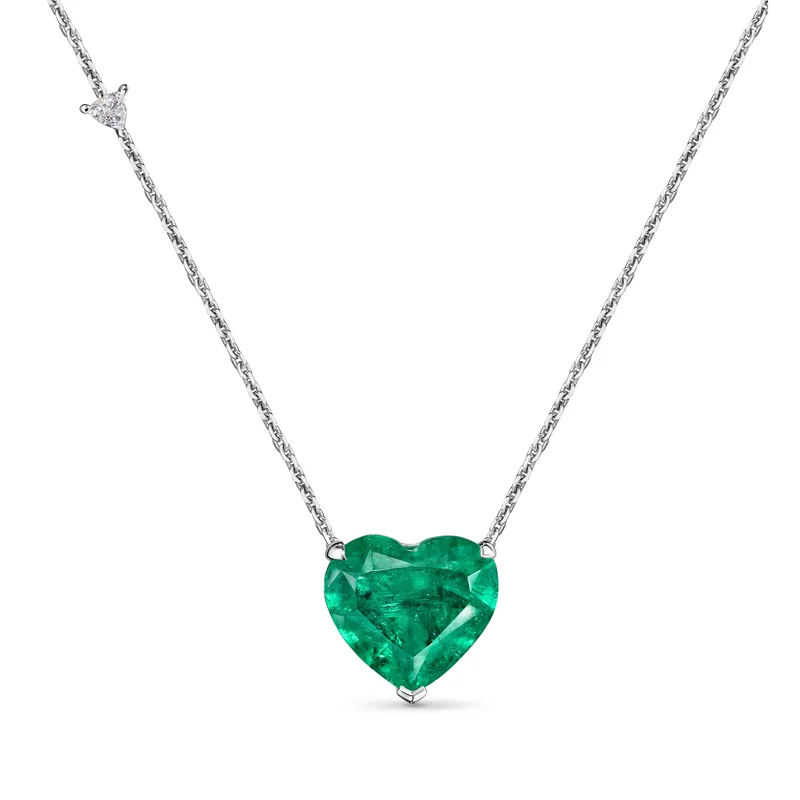
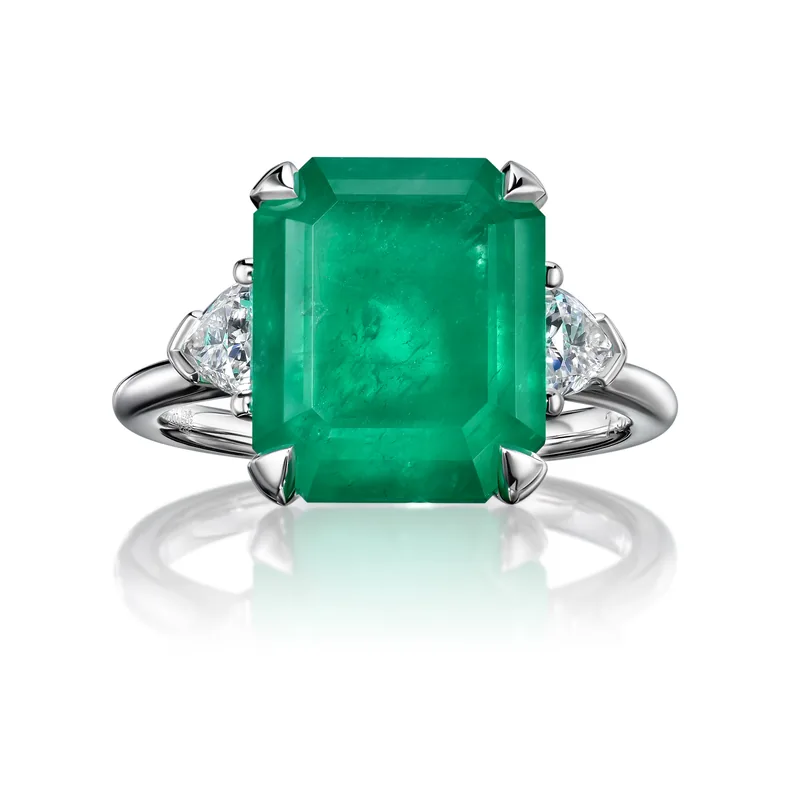
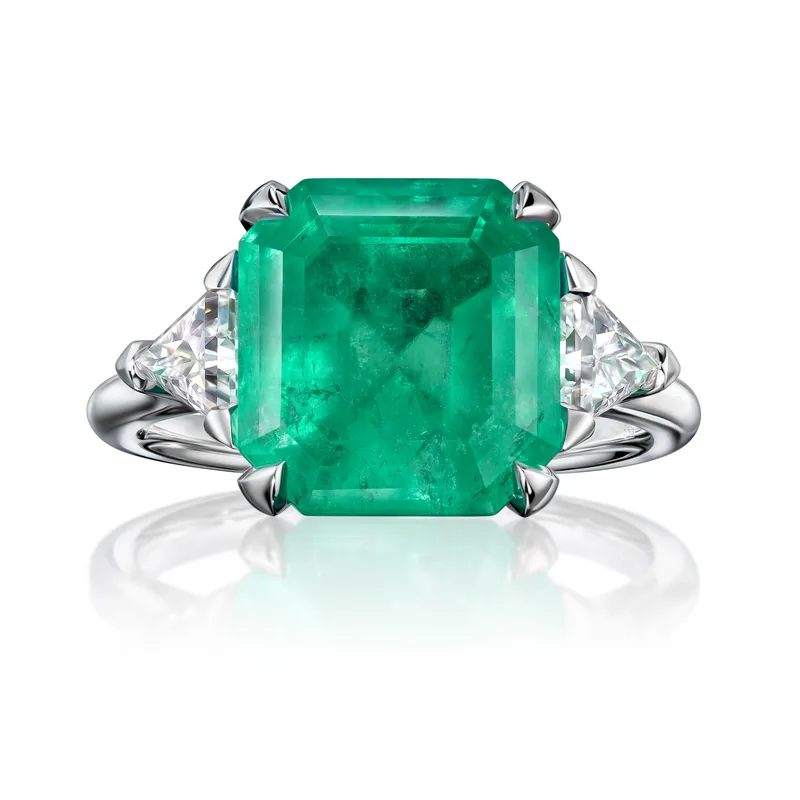
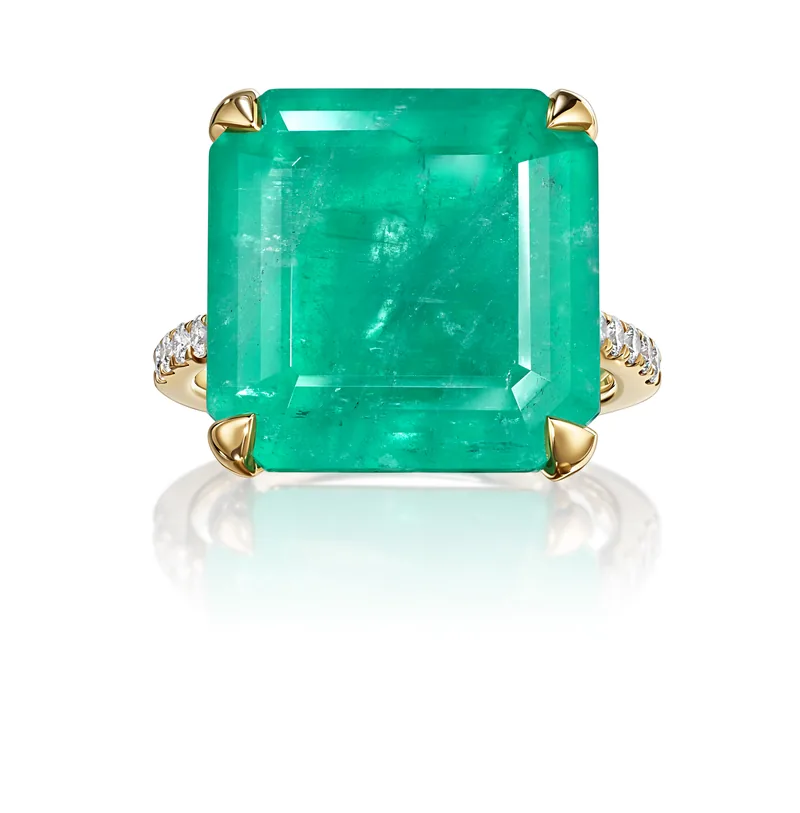
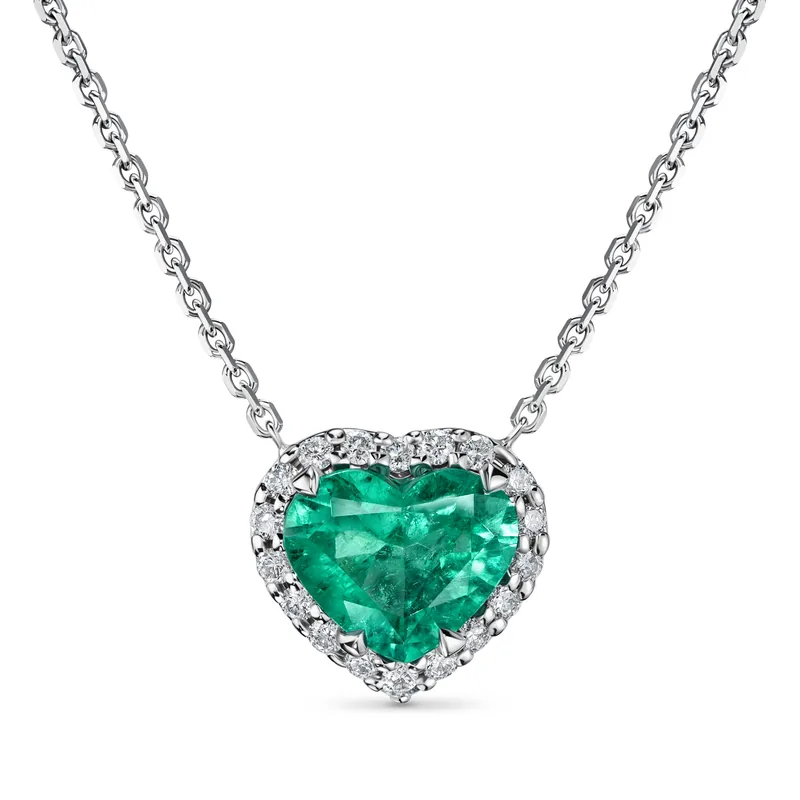
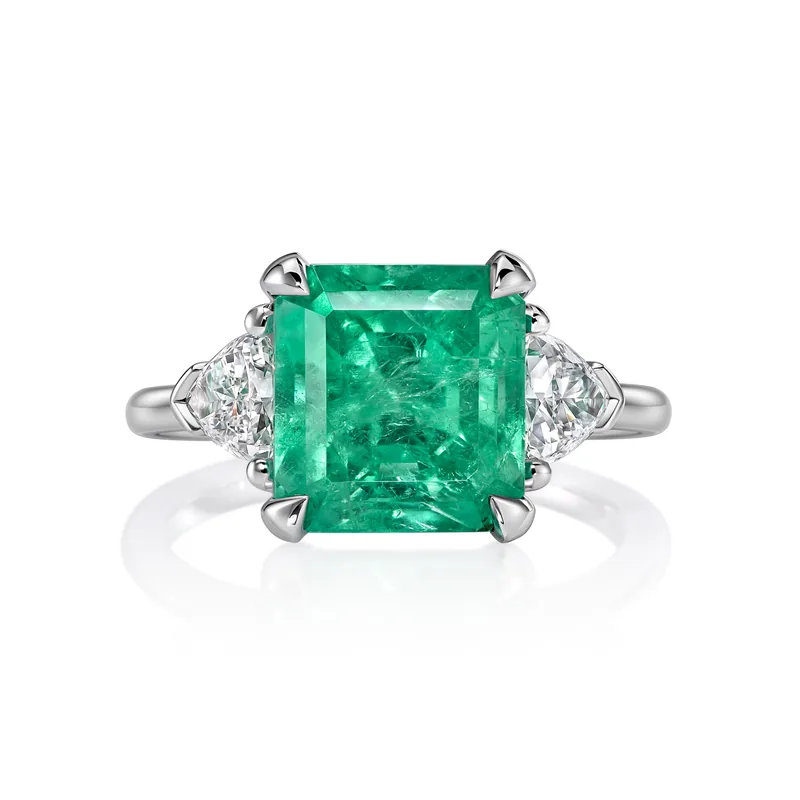
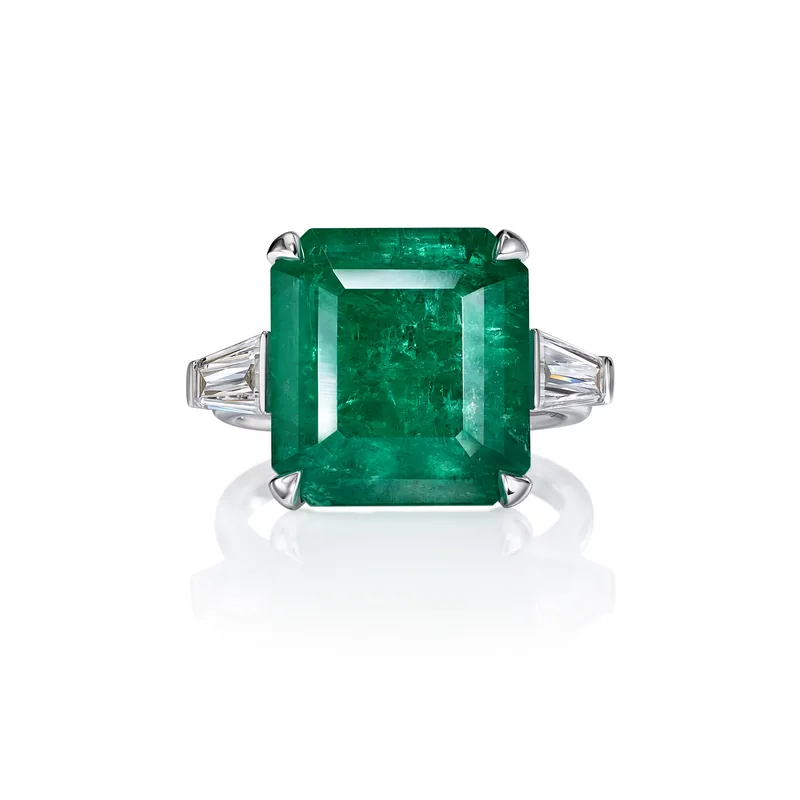
An emerald is a vivid coloured stone, and we believe vivid stones should be large. In our new rings we set emeralds from 3 carats, and the largest specimens are 20–30 carats and more. The collection is made up of emeralds from the Urals and Zambia.
We cut the stones ourselves, bringing emerald rough to the perfect brilliance of precisely finished facets. Our cutting school was born in the Urals, home of the Ural emeralds, and its cutting standards were laid down back in the USSR.
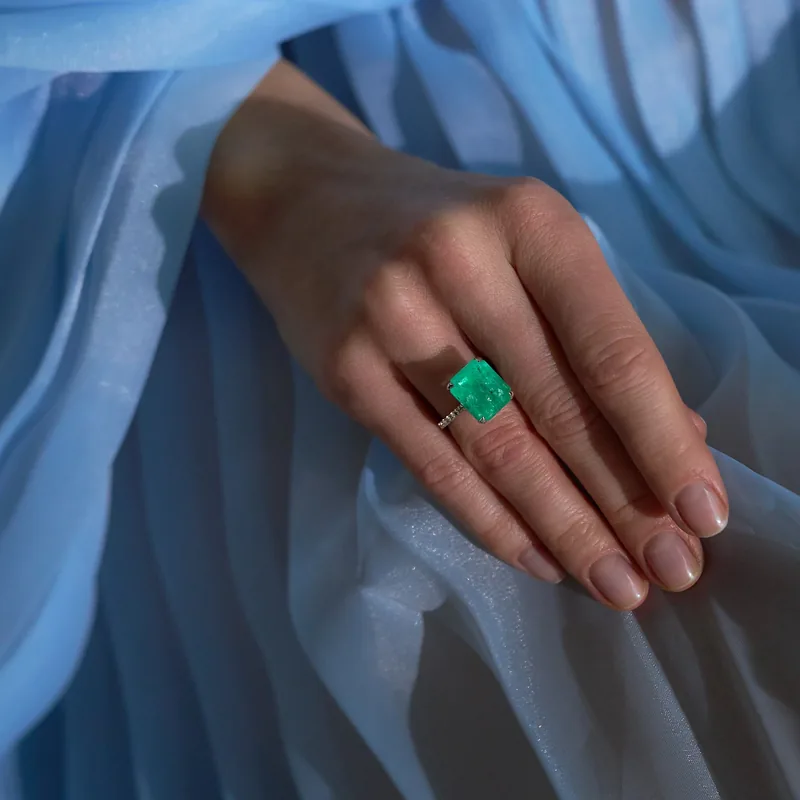
glow and depth
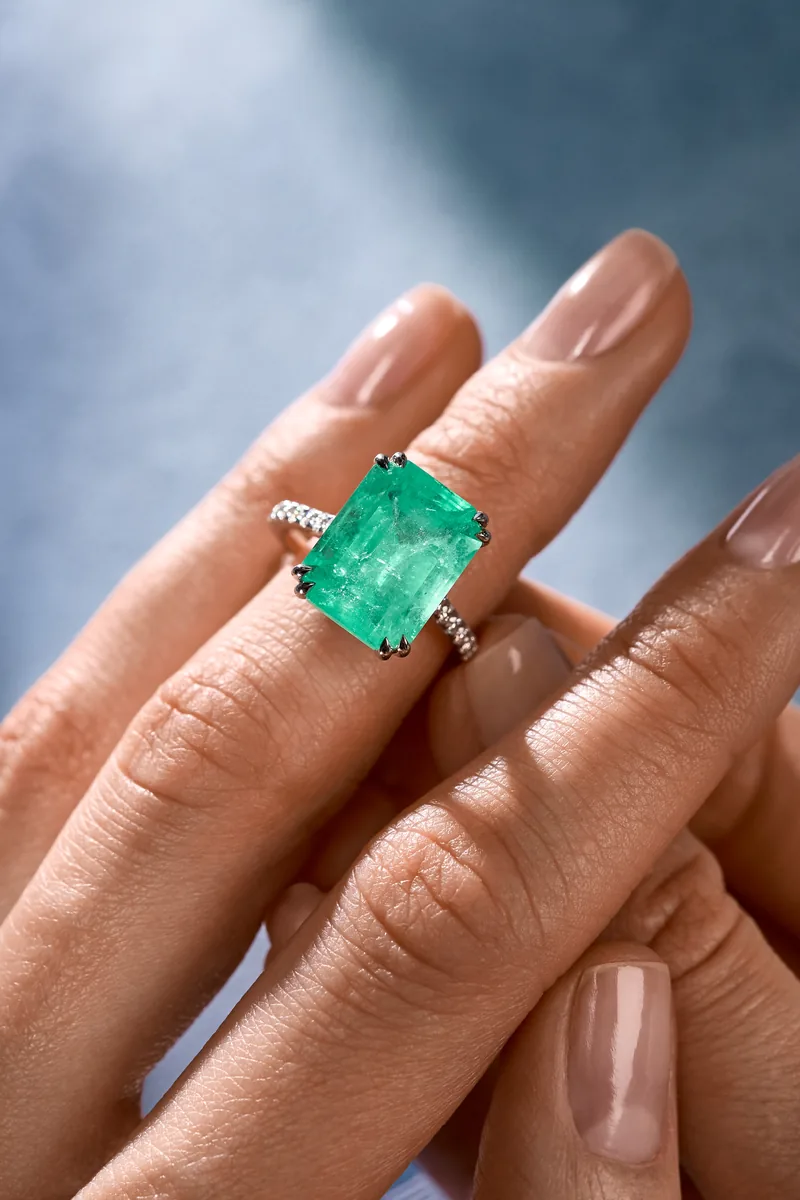
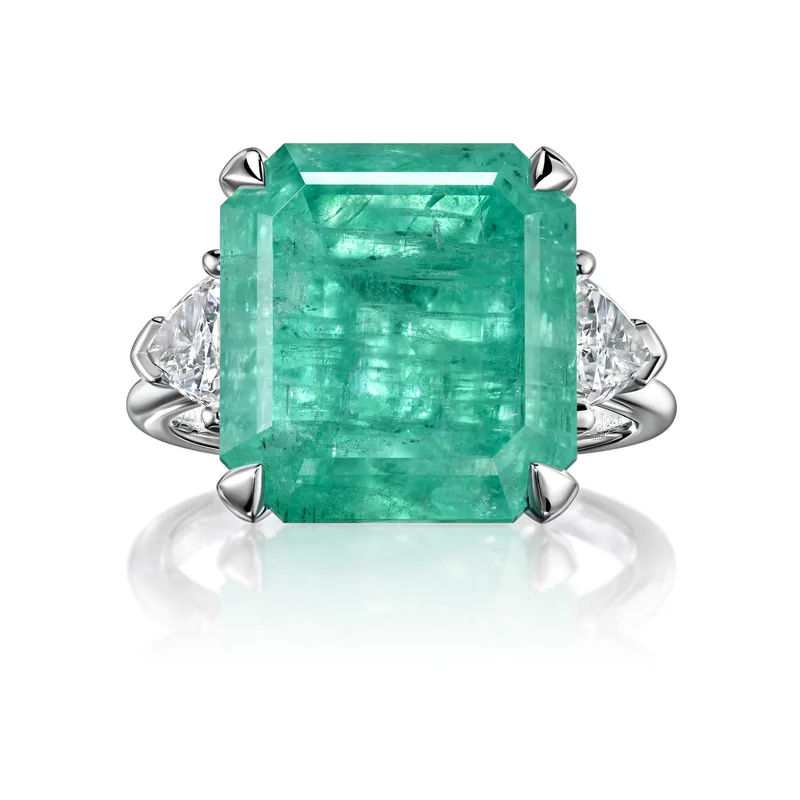
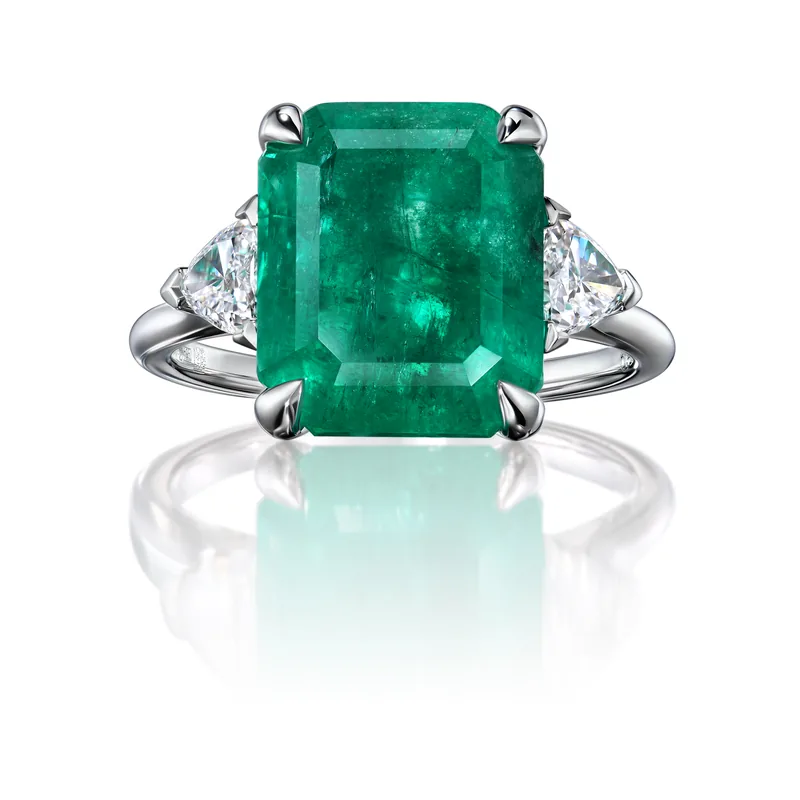
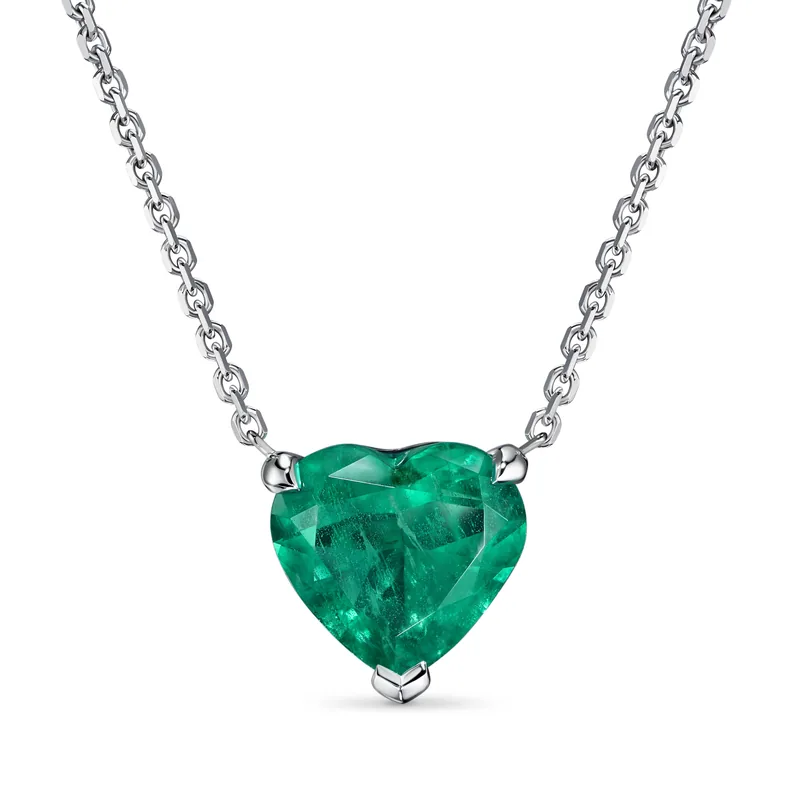
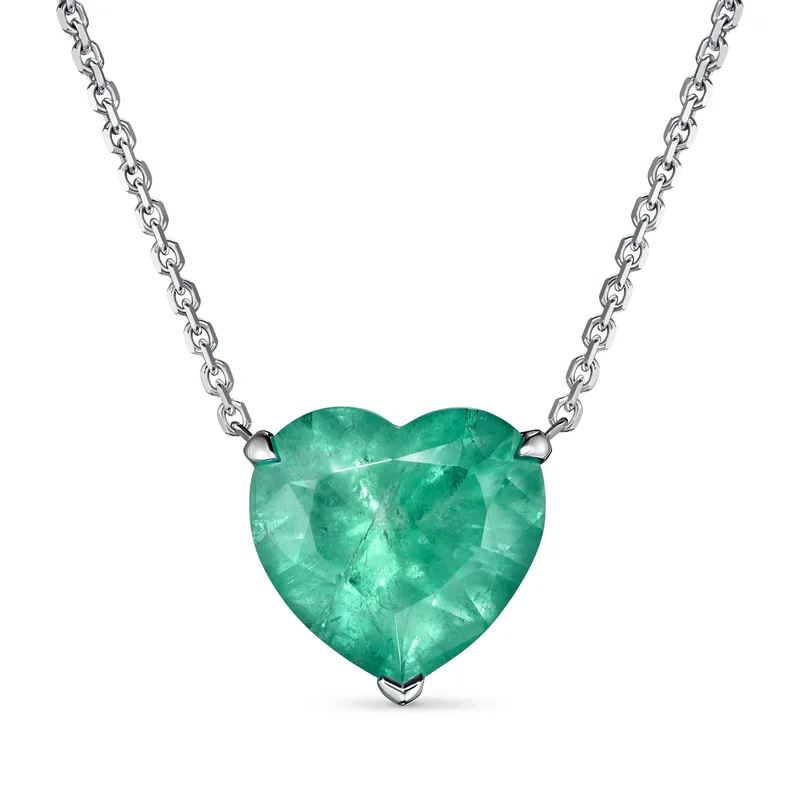
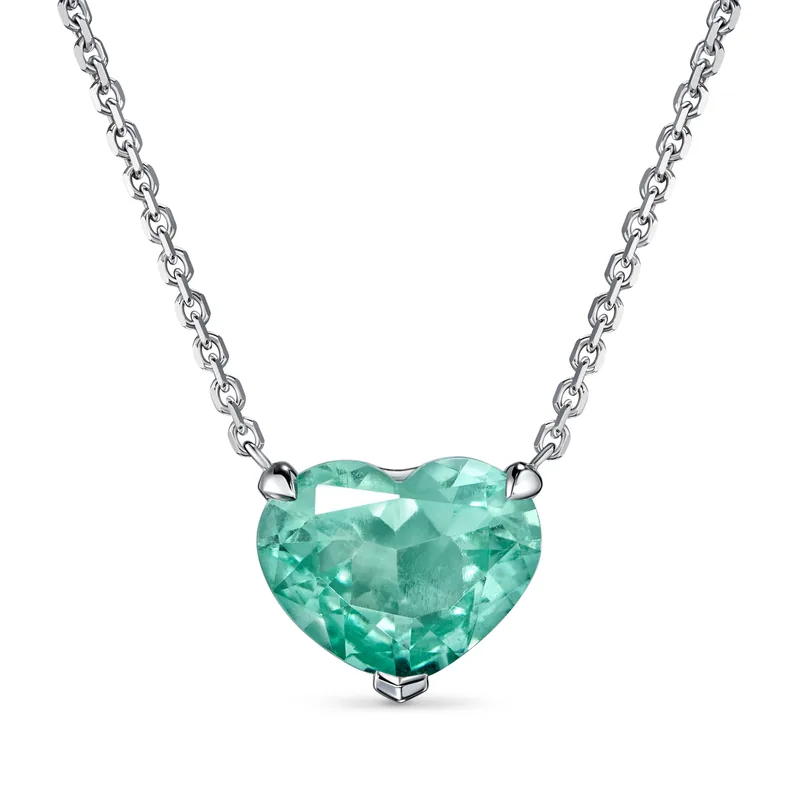
An emerald owes its colour to chromium and vanadium, while iron mutes it. Ural emeralds are rich in chromium: in daylight they glow from within, in shades from mint and neon to deep grass green. Zambian stones hold more iron: they glow less, but their colour is deeper, cooler, with a touch of blue, and barely changes with the light — the stone looks the same by day and in the evening.
We don't think one is better than the other: they are two different characters of green, and the one to choose is the one that speaks to you.
a pair is the hardest part
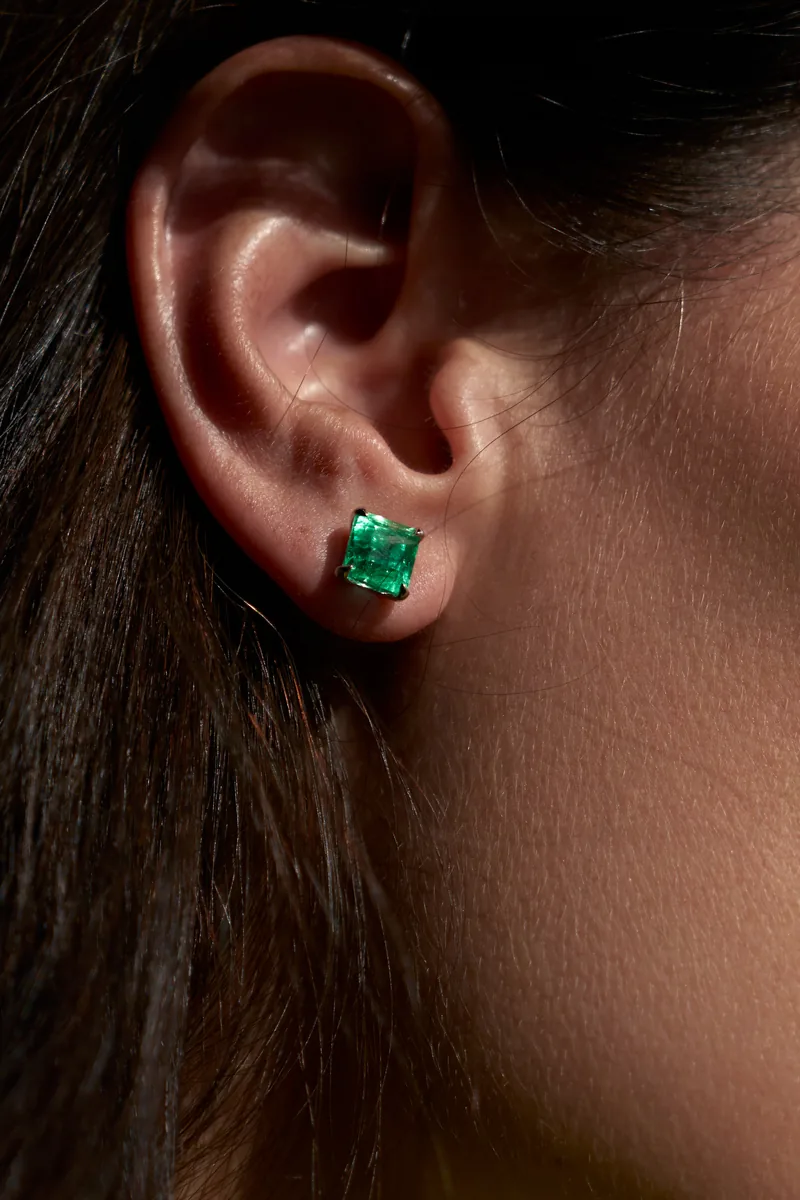
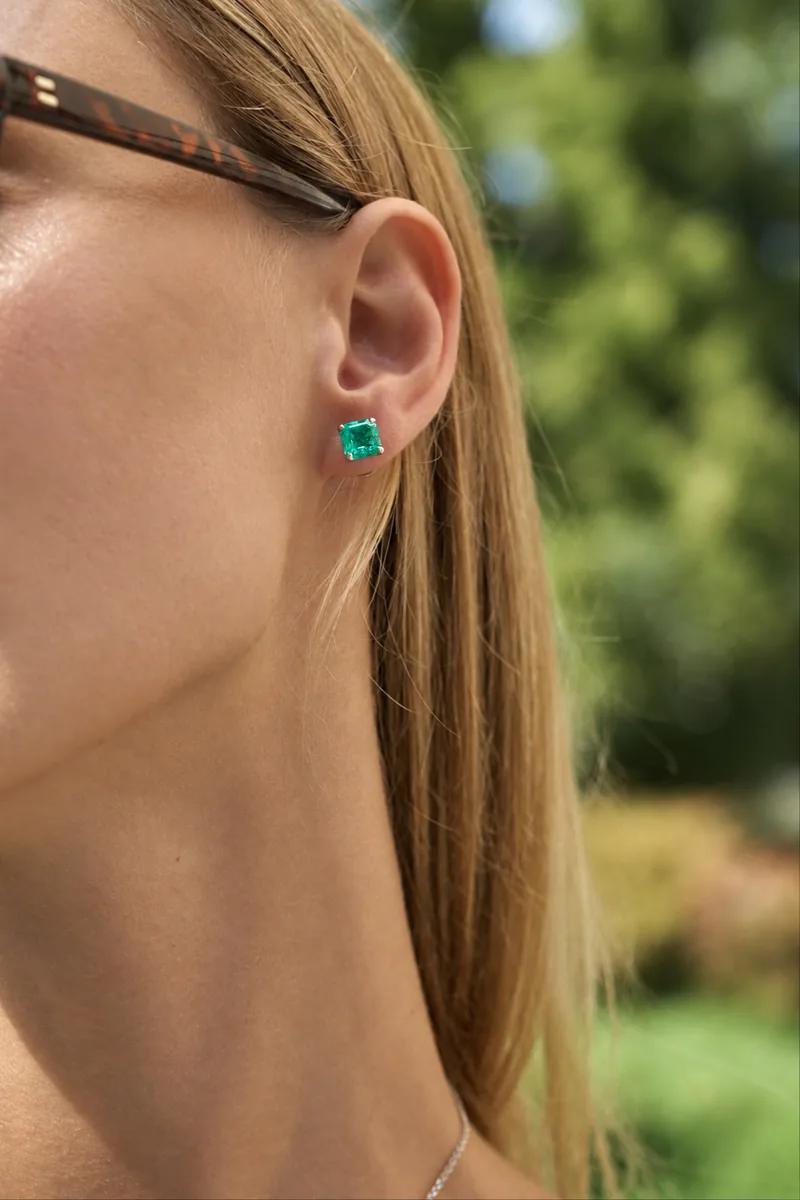
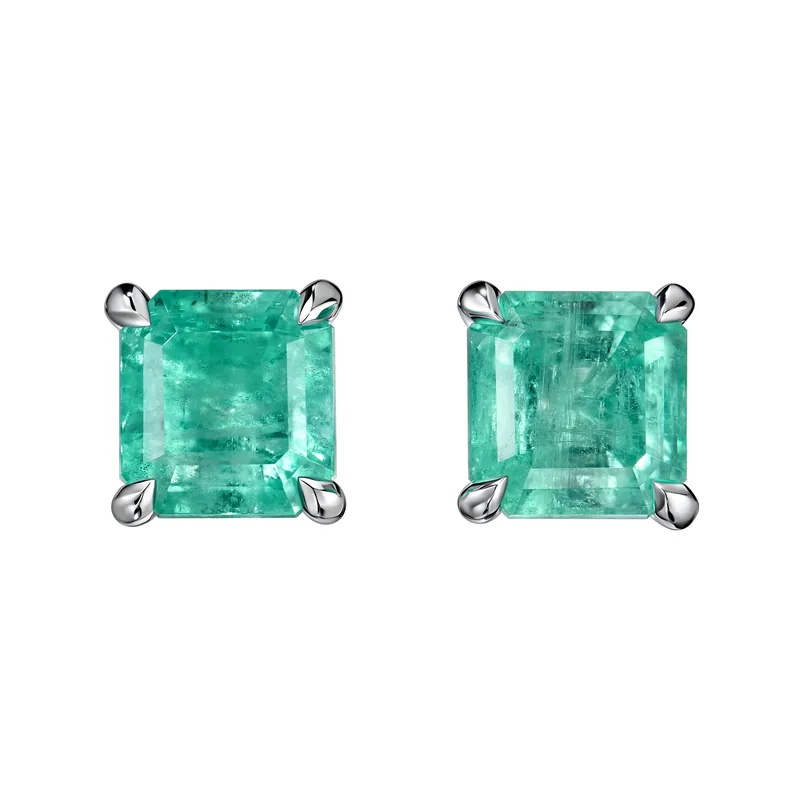
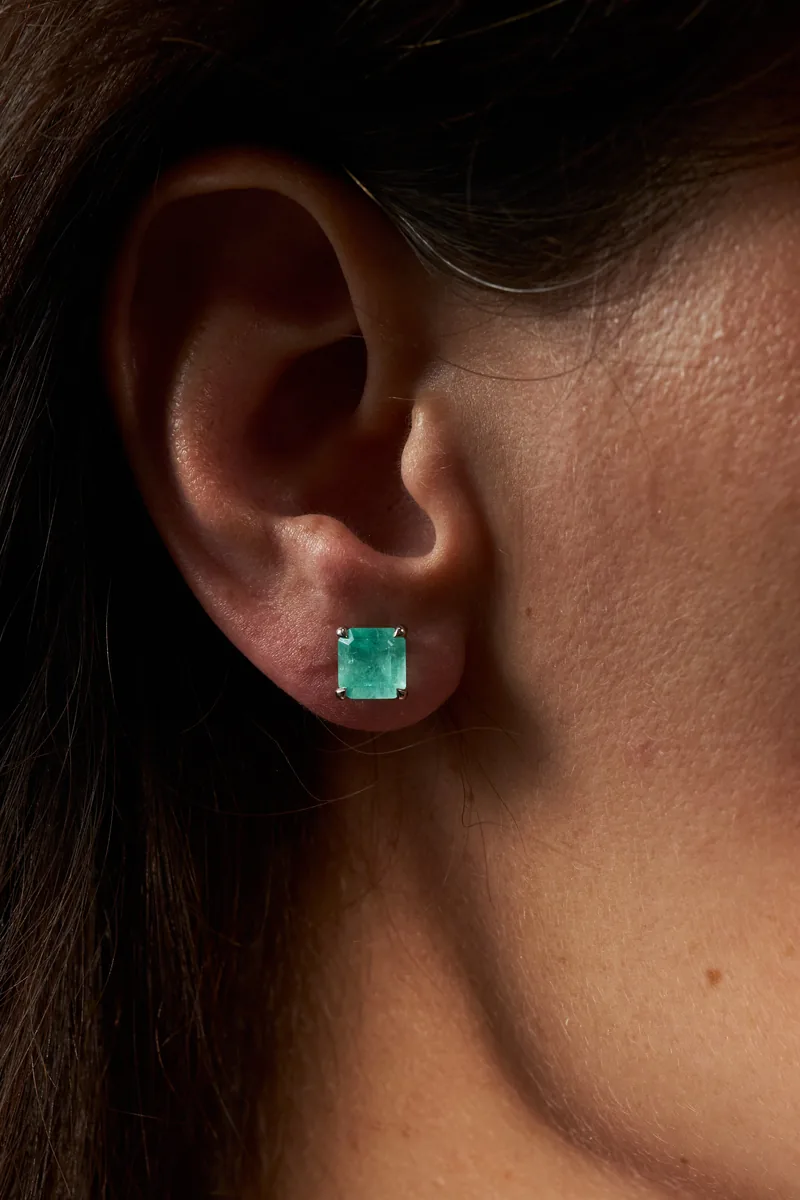
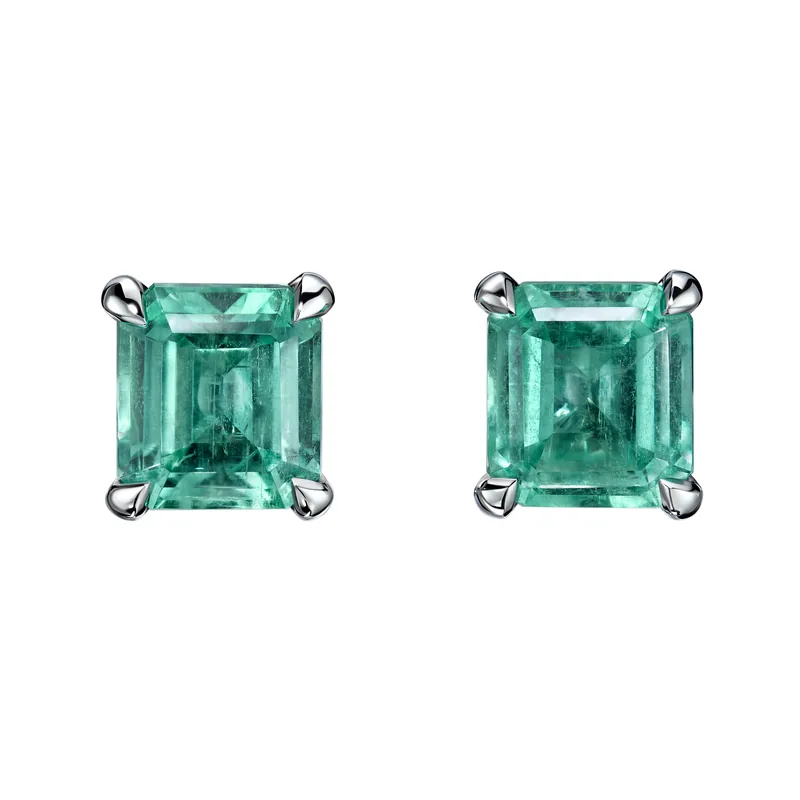
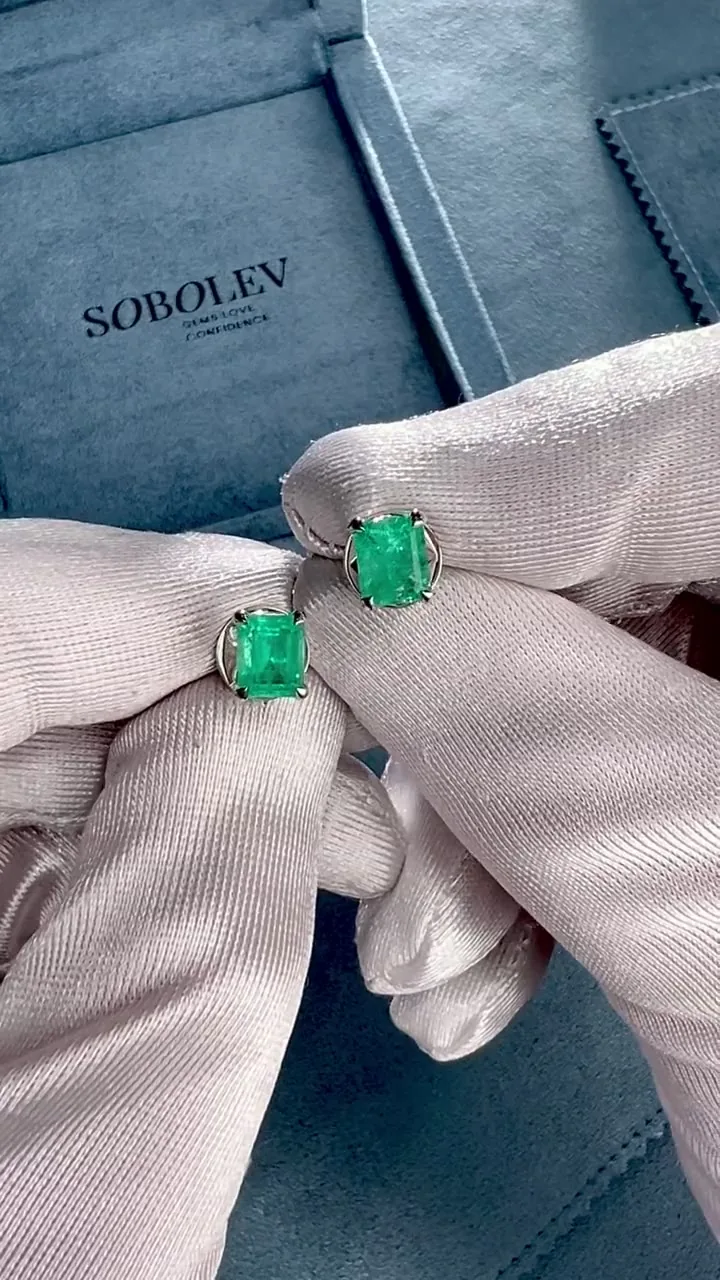
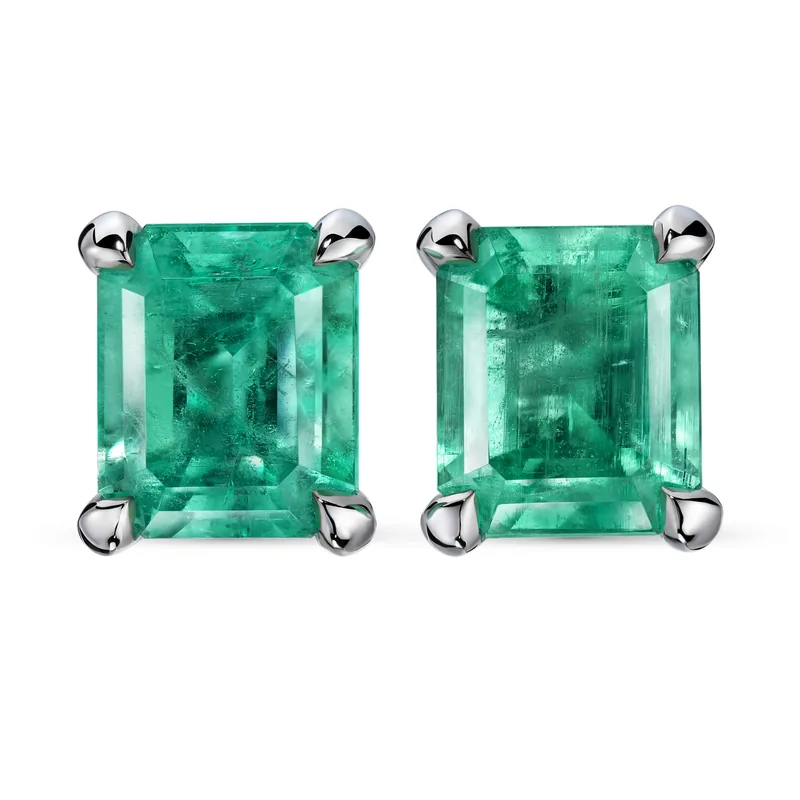
Finding two emeralds that truly match is almost impossible by chance: hue, saturation, play, fractures, cloudiness — every stone has its own. So on the market pairs are usually made from whatever is left over: one stone came out larger and one smaller — recut the larger one and it will “do”.
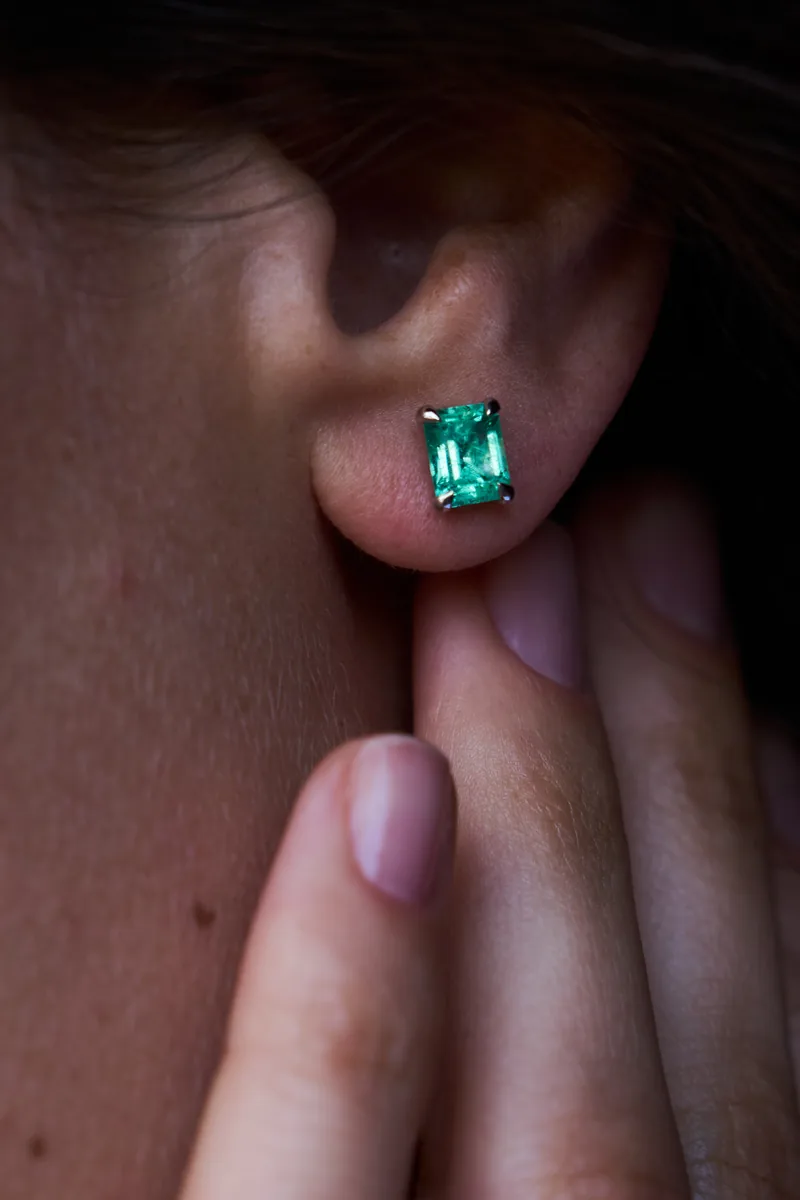
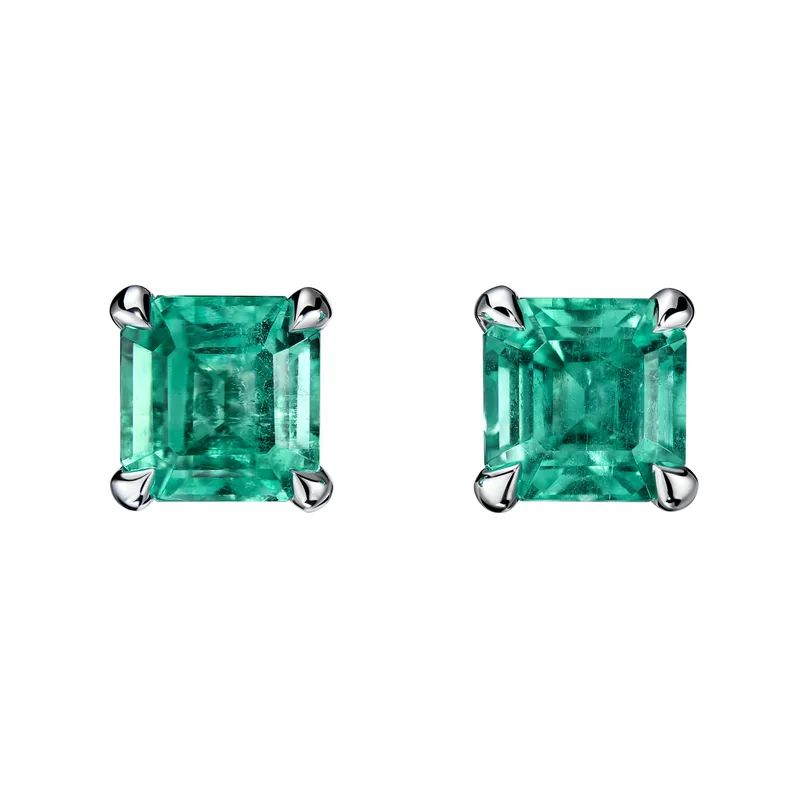
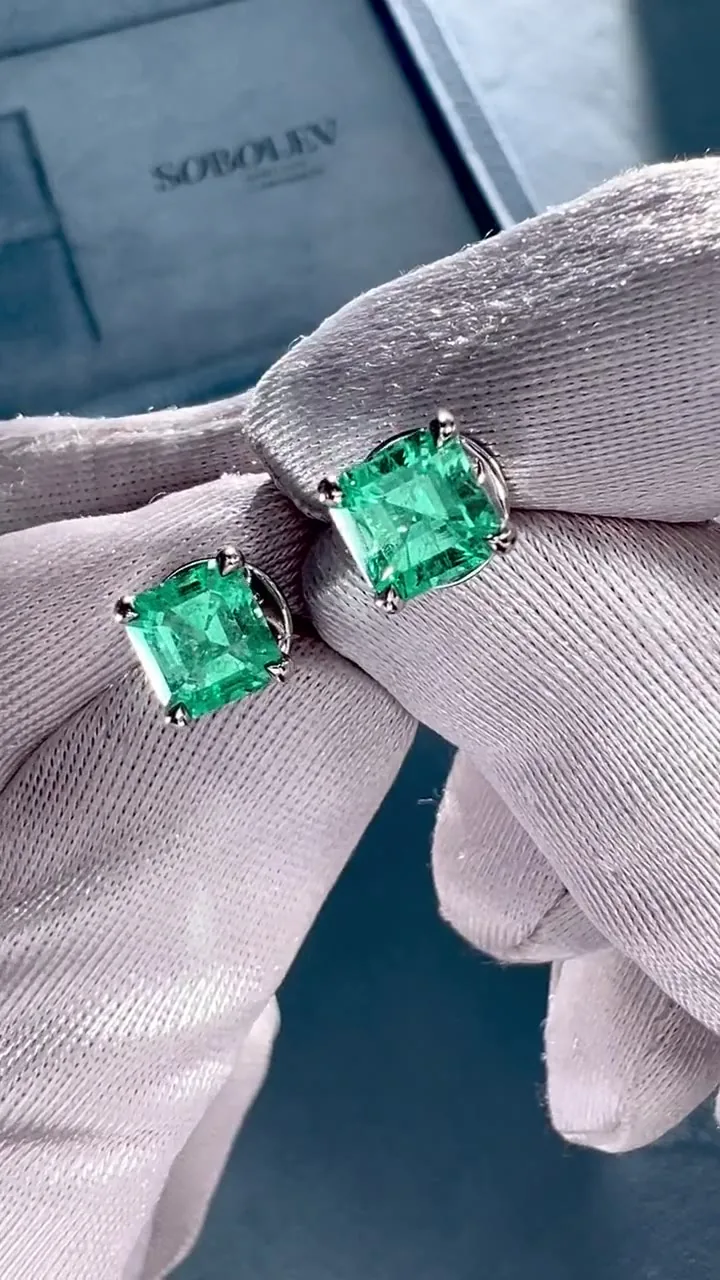
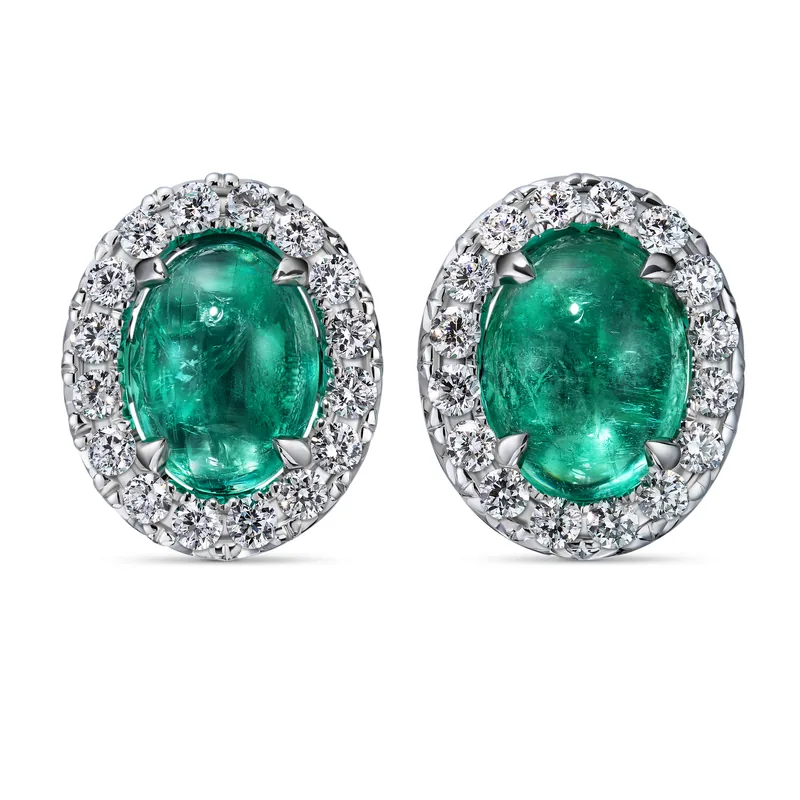
We chose otherwise: we don't sell emeralds under 3 carats one by one, we keep them for pairs. They wait until there are enough stones for real matches to appear among them. There are now close to a hundred. That is how, over a year, we built up a stock of stud earrings where the stones in a pair are matched to each other, not cut down to each other.
hand-picked
Jaipur, unvarnished: five suppliers, thousands of emeralds — and nothing good enough. How we look for stones worth setting in a ring — in our video.
watch on YouTubein stock
full catalogueby carat weight: 1 carat · 2 carats · 3 carats · 4 carats · 5 carats · 10 carats · 20 carats
see also: emerald stud earrings · price per carat
filters · 1
 video
 video
 video
 video
 video
 video
 video
 video
 video
 video
 video
 video
 video
 video
 video
 video
 video
 video
 video
 video
 video
 video
 video
 video
 video
 video
 video
 video
 video
 video
 video
 video
 video
 video
 video
 video
 video
 video
 video
 video
 video
 video
 video
 video
 video
 video
 video
 video
 photo coming soonphoto coming soonphoto coming soonphoto coming soonphoto coming soonphoto coming soonphoto coming soonphoto coming soonphoto coming soonphoto coming soonphoto coming soon
questions
Why are emerald stud earrings rare?
Two emeralds that match in hue, saturation, play and inner landscape almost never meet by chance — so on the market pairs are usually made from what is left over. We keep every emerald under 3 carats for pairs and wait until real matches appear among dozens of stones. That is how our stock of stud earrings was built over a year.
How does a Ural emerald differ from a Zambian one?
Chromium and vanadium give an emerald its colour, while iron mutes it. Ural stones are richer in chromium and glow from within in daylight. Zambian stones hold more iron: less glow, but a deeper, cooler colour that barely changes with the light.
Why do two diamonds of the same carat weight look different in size?
A carat is a unit of weight, not size. Part of the weight can sit in the depth of the stone, so it looks smaller from above. We choose stones that face up larger than the market average for their carat weight.
Can you choose a diamond by its GIA report alone?
A report describes colour, clarity and proportions honestly, but not the stone's play of light: windows, colour dead spots and uneven facets show only to the eye, and a video can hide them. That is why we view every stone in person before buying — and suggest you do the same.
Do I need to pay a deposit?
No. You decide to buy only after seeing the stone in person. This applies to the large stones we bring in to order as well.
Which stones are in stock in Moscow?
Diamonds: always in stock from 1 to 5 carats, with a choice of colour and clarity, so you can compare and see what speaks to you. Larger diamonds are rare: some are in the catalogue, others we bring in to order, and they are often sold before they arrive. Emeralds have their own scale: from stones for studs to collector stones of tens of carats; see the catalogue for what is in stock now.
Can I just have the cheapest stone of a given carat weight?
No — we will decline if all you want is the cheapest: such a stone is almost always a poor one, and we would rather not be embarrassed by our client's stone later. Nor does the best stone have to be the most expensive: the price should match the market.
Why not buy cheaper while travelling abroad?
You can. But if the stone turns out not to be what you were sold, there is no one to go back to, and you will have to explain the piece at customs. Our pieces are imported officially and registered in the Russian state precious-metals system (GIIS DMDK), our showroom has a permanent address, and we are a second-generation jewellery business.
How do I check a GIA report?
The report number is on each piece's page and links to the GIA database (gia.edu). In the showroom we will show you the report itself and, together with you, look at the number inscribed on the stone's girdle under an electronic microscope.
The price is in US dollars — how do I pay?
Within Russia, payment is made only in roubles, converted at Sberbank's dollar selling rate on the day of purchase.
try on every piece in Moscow
Paveletskaya Embankment, 8B — by appointment.
can't make it to the showroom?
Write to us on telegram or by email — we will discuss it. We sell in person: at our Moscow showroom by appointment or, by arrangement, in Dubai.